

Horse racing in Ireland is deeply rooted in the country’s sporting and cultural identity. While it shares many similarities with the British system —handicapping structure, flat and jumps seasons, top-level trainers and jockeys—, there are tactical, climatic, and structural differences that make Irish racing a unique world of its own.
Whether you’re betting at Curragh, Leopardstown, or the wild hills of Galway, understanding how Irish racing works can give punters a huge edge —especially if you’re used to the rhythm and pace of British tracks.
In this guide, we’ll walk you through what makes racing in Ireland different, what factors really matter for betting, and how to spot opportunities the market often overlooks.

Irish horse racing guide: key features of Irish flat racing
More demanding tracks
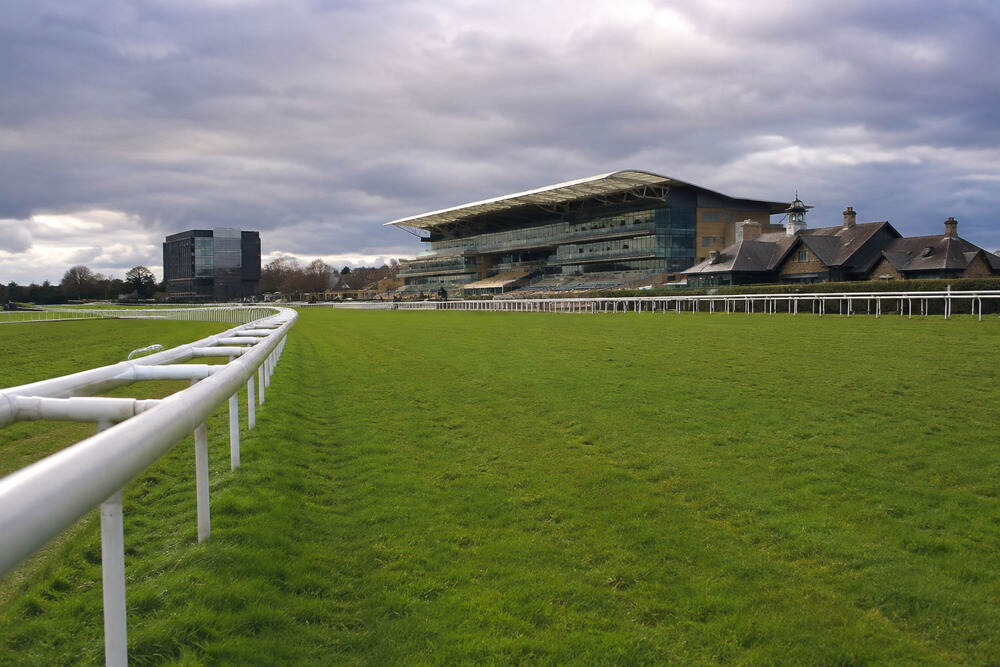
Most Irish flat courses are undulating, galloping, and stamina-testing —very different from many of the flatter, speed-favouring layouts in Britain. The Curragh, for instance, has a long uphill finish that punishes early speed. Galway’s rolling layout and tight turns suit horses with balance and tactical speed, especially during the iconic Festival.
Courses like Leopardstown and Naas require a blend of acceleration and endurance, rewarding well-timed late challenges rather than all-out frontrunning tactics.
Softer ground is the norm
Irish turf is often described as “yielding to soft”, even in summer. The country’s climate brings more rainfall than most UK regions, and this influences race outcomes in subtle but decisive ways. Some British horses that thrive on quick ground simply fail to handle Irish conditions —a trap many punters fall into during festivals or cross-border entries. It reminds me of the kind of profiles I list in my piece on horses I never bet on, where avoiding the wrong type can be as valuable as backing the right one.
Reading ground preferences and past performances in soft conditions is essential. A horse that’s performed well at Chester or York may not adapt at all to the heavier Irish going.
Stronghold of elite trainers
Ireland is home to some of the most powerful yards in global racing: Aidan O’Brien’s Ballydoyle, Joseph O’Brien, Dermot Weld, Jessica Harrington, Ger Lyons, and more —all under the umbrella of Horse Racing Ireland, which regulates and promotes the sport nationally. These trainers often target races with surgical precision and may dominate even competitive-looking fields.
At the same time, smaller yards such as those of Johnny Murtagh or Paddy Twomey regularly send out well-prepared runners that can beat bigger names —especially when racing at local tracks they know intimately.

Tactical riding is a big factor
While British flat racing —particularly at sprint distances— often favours early speed and sharp positioning, Irish races tend to be more tactical and less frantic early on.
It’s common to see smaller fields where pace collapses, or races where the leader slows things down mid-race, saving energy for a late kick. Riders like Colin Keane, Shane Foley, or Billy Lee are specialists at judging pace and timing their challenges to perfection.
Punters who understand race shape and expected pace have a real edge when betting in Ireland.
Irish vs UK horse racing: main differences bettors must know
Race rhythm and pace
Perhaps the biggest difference lies in how races unfold. British handicaps —especially in summer— often turn into speed tests, where the draw, early positioning, and split-second decisions define the outcome.
In Ireland, however, many flat races are slowly run early, with a big emphasis on finishing speed. This suits horses that can settle, relax, and unleash a strong turn of foot —a profile that may not always work on stiffer, fast-run British tracks.
When analysing a race, always consider how the pace may play out —a key tip covered in our article on how to find value in handicaps.
The draw is less decisive (but not irrelevant)
In British sprint races —especially at places like Ascot, Chester or Goodwood— the draw can be everything. In Ireland, its impact tends to be more subtle, except in certain sprint races at Curragh or Galway.
Generally speaking, track position and pace setup matter more than stall numbers, which means bettors should focus more on race tactics than starting position.

Field size and international mix
British meetings often attract larger, more international fields, especially on big Saturdays or at Group level. Irish races are usually more local in profile, with a strong dominance of home-trained runners and fewer surprises in terms of style or class.
That said, Irish-trained horses are consistently outperforming at UK festivals —a sign of the depth and preparation that defines their system.
Rating differences and progression patterns
While both countries use the same Official Rating (OR) system, Irish runners often outperform their marks more sharply, especially when returning from breaks or stepping up in trip.
You’ll often see horses winning off higher marks in Ireland after an unplaced UK effort, particularly if they were unsuited by ground or pace. Learning to read these form reversals is a skill worth mastering —and you can improve it by studying our 2025 betting trends guide.
Betting smart on Irish racing: key takeaways
Know the ground
It may sound obvious, but soft or yielding ground is a critical factor in Irish racing. A horse that’s been thriving on quick UK turf may look well-handicapped, only to struggle once it hits deeper going.
Check past performances not just by surface description, but by going reports, race comments and how the horse moved —particularly in the final furlong.

Read pace maps and trainer patterns
Before betting, try to visualise how the race will be run. If the field lacks obvious front-runners, it might turn into a dash, and that changes which profiles are best suited.
Also, pay close attention to trainer intent. Some yards, like Twomey or Murtagh, are surgical when targeting Listed or Group entries. Others thrive in handicaps over particular courses —a detail casual punters often overlook.
Don’t ignore “small” races
Many bettors focus on Group races or big festivals, but there’s often more betting value in midweek handicaps at Ballinrobe, Naas or Sligo. Fields may be small, but patterns repeat often —and that’s where preparation pays off.
Horses dropping in grade or trying headgear for the second time can offer outstanding value if you read between the lines. If you’re interested in these setups, check out our article on betting on debutants and lightly-raced horses, which applies especially well in Irish maidens.
So… is it worth specialising in Irish racing?
Absolutely —and here’s why. While UK racing draws more attention and media coverage, Irish racing offers more stable tactical patterns, less market overreaction, and great opportunities to find under-the-radar value.
Punters who do their homework, follow stable form closely, and understand the unique pace dynamics can thrive —especially on days where others overlook the nuances.
And when Irish-trained horses travel across the sea to take on UK runners, you’ll be better prepared to know which ones are the real deal, and which are just trading on reputation. But remember: success also depends on avoiding classic punter errors —I’ve shared my own in this guide on horse racing betting mistakes.

❓ Frequently asked: betting on Irish Racing
Q: Is Irish racing harder to bet on than UK racing?
A: Not necessarily harder —just different. Irish races are often run at a slower early pace, with more tactical riding and softer ground conditions. If you understand these nuances and follow local trainers and jockeys, you can find excellent betting opportunities.
Q: Does the draw matter in Ireland like it does in the UK?
A: In most Irish races, especially beyond sprint distances, the draw is less decisive than in the UK. Tactics and pace shape are far more influential. However, it can still matter in short-distance races at places like Curragh or Galway.
Q: Are Irish-trained horses better when they run in the UK?
A: Irish horses often arrive better prepared and fitter, especially for big festivals. Trainers like Aidan O’Brien and Willie Mullins are masters of targeted campaigns, which explains their high strike rate in UK races.
📲 Stay connected
If you found this article helpful and want more flat racing content, previews, value picks and weekly betting breakdowns —come join the conversation!
Follow me on:
You’ll get alerts for new posts on Inside The Paddock, plus exclusive tips, bias reports, and analysis you won’t find anywhere else.







Horse racing tips Worcester – 3 Picks for July 24, 2025 –
[…] with the Galway Festival just around the corner, check out my article on how Irish racing differs from the UK scene to better understand what to expect next […]