
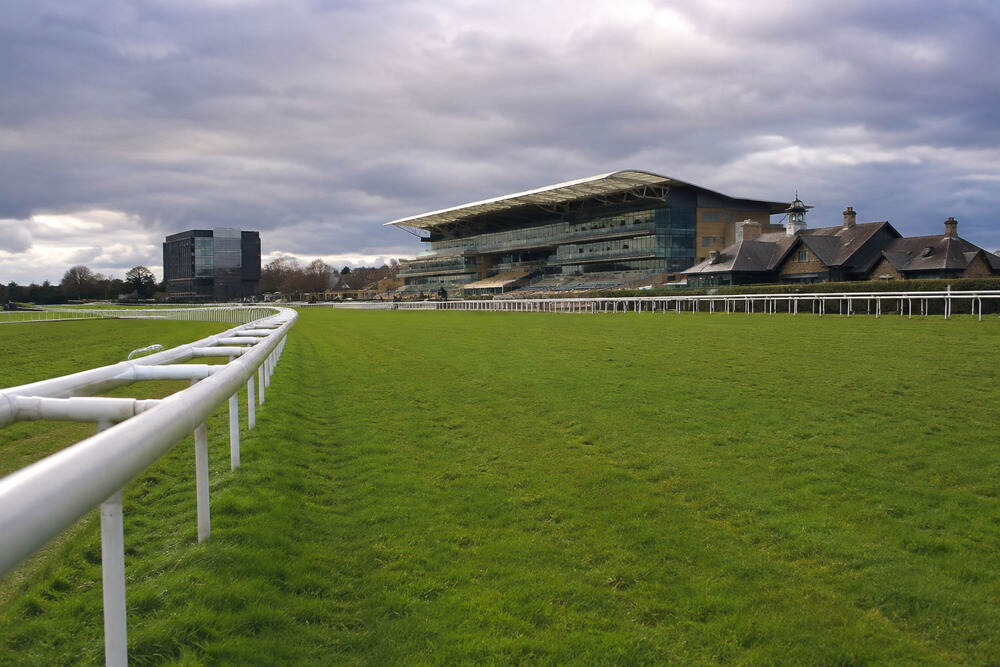
Any Doncaster Racecourse guide should begin with a small warning: fair does not mean easy. Some racecourses seem determined to make life difficult for punters before the horses have even left the parade ring. Doncaster is not really one of them. It is wide, mostly flat and generally considered one of Britain’s fairest tracks. That does not make finding winners easy, sadly. If it did, I would be writing this from a yacht rather than checking another weather forecast.
In this guide, I will look at the track layout, different distances, draw and pace, as well as the types of horses I prefer to follow. I am approaching Doncaster as a racing fan, not as somebody claiming to have cracked the sport. My aim is to build a practical betting checklist that can be used at any meeting, whether the card features a summer sprint or a three-mile chase in January.
The history of Doncaster Racecourse
The history of Doncaster Racecourse stretches back to the 16th century, making Town Moor one of Britain’s oldest established centres of horse racing. Today, the course hosts major Flat and National Hunt meetings, so its story extends far beyond one famous festival.
The St Leger remains Doncaster’s best-known race. First run in 1776, it reached its 250-year milestone in 2026. If you want to explore the race in more detail, my analysis of 20 recent St Leger winners examines recurring trends involving Derby form, Group-level experience and stamina. Doncaster also has the distinction of staging the traditional opening and closing meetings of the British Flat turf season.
In 1992, it hosted Britain’s first Sunday race meeting. No betting was permitted that day, which must have tested the patience of at least a few people in the crowd.
What is the Doncaster track layout like?
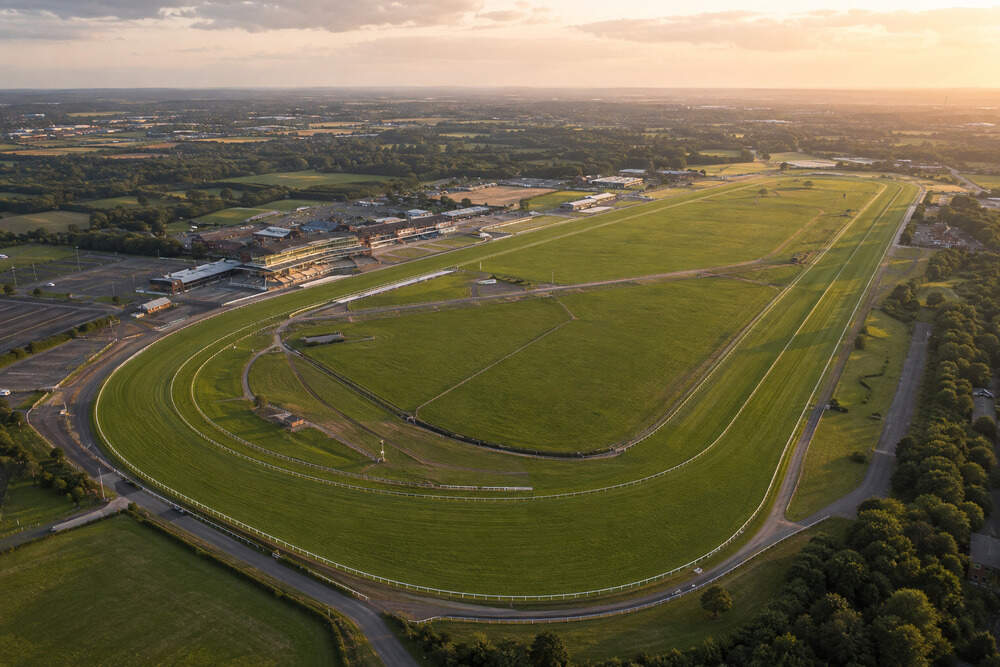
The Doncaster track layout is left-handed, pear-shaped and designed for galloping, with a full circuit measuring just under two miles. Its sweeping bends lead into a home straight of approximately four and a half furlongs. The course is largely flat, although there is a gentle rise on the far side that may not look particularly dramatic on television.
Races over five, six and seven furlongs are staged on the straight course, and Doncaster also offers a straight mile. Some mile races and longer contests use the round course. This distinction matters when analysing the draw: stall position may influence a large-field sprint but is usually less significant in a staying race around the circuit.
Doncaster is a free-draining racecourse, so soft or heavy ground occurs less frequently than at some British tracks. However, that does not make the going irrelevant. Rain, wind and the location of the quickest strip of turf can completely change how a race develops on the straight course.
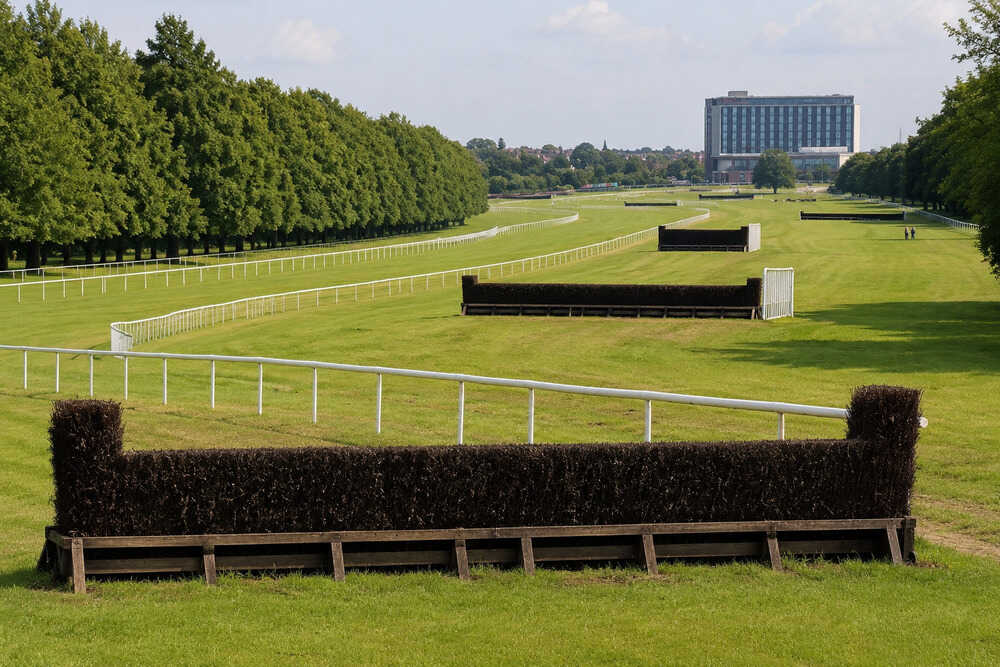
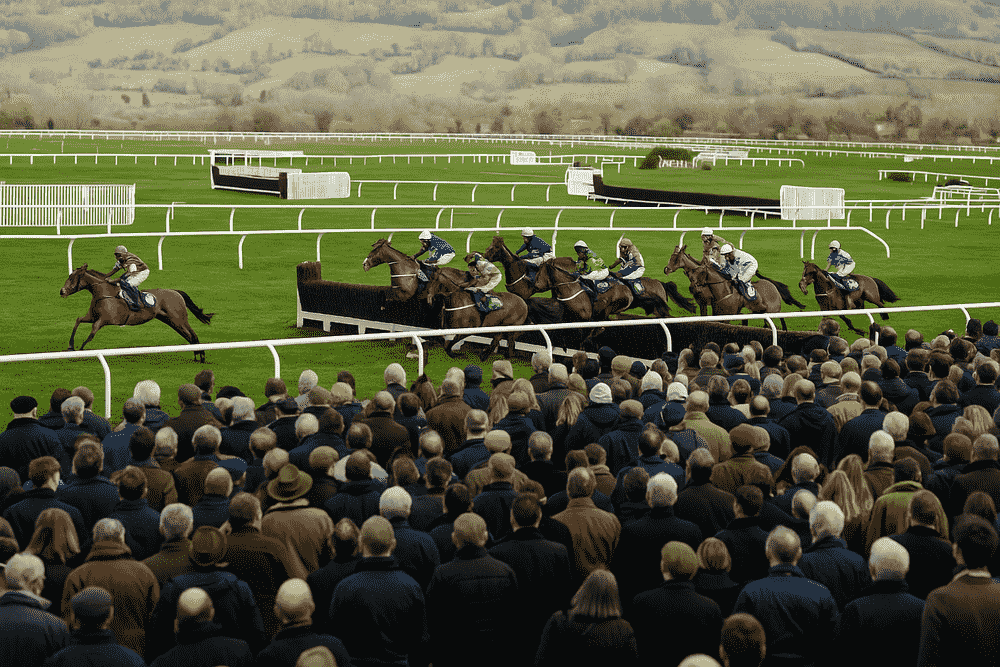
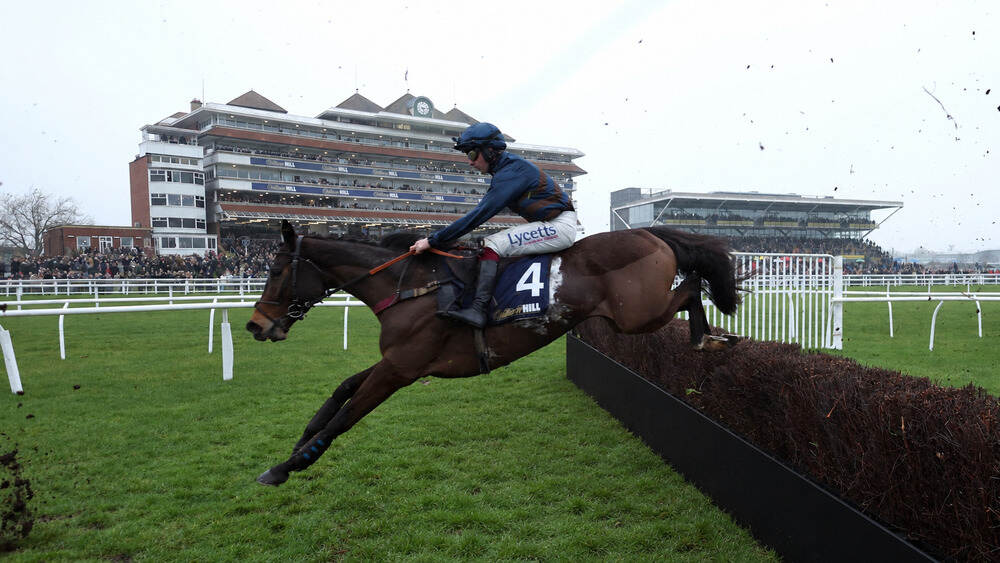
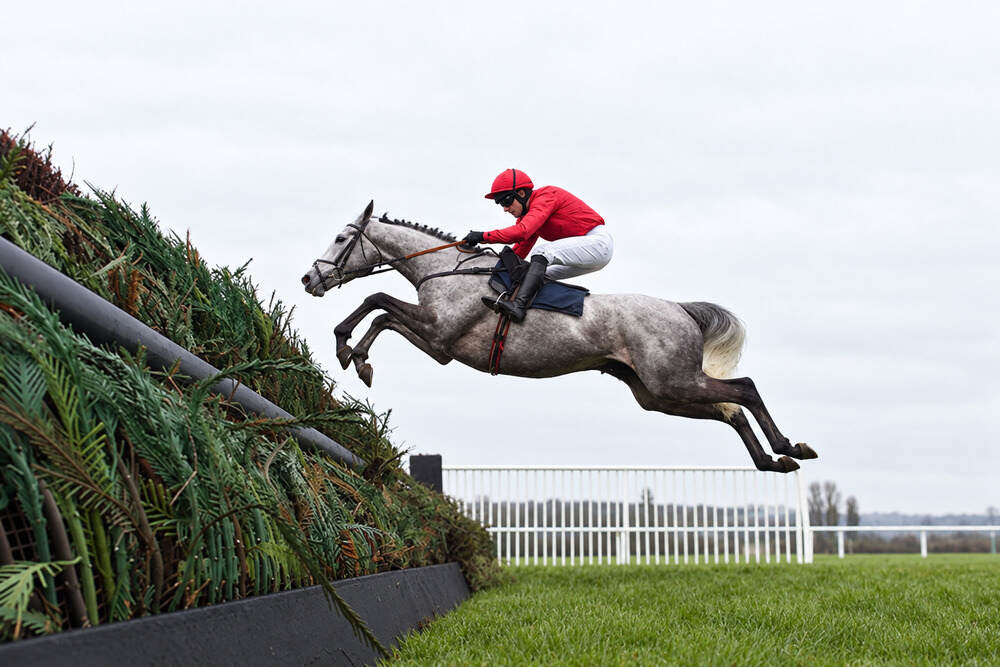
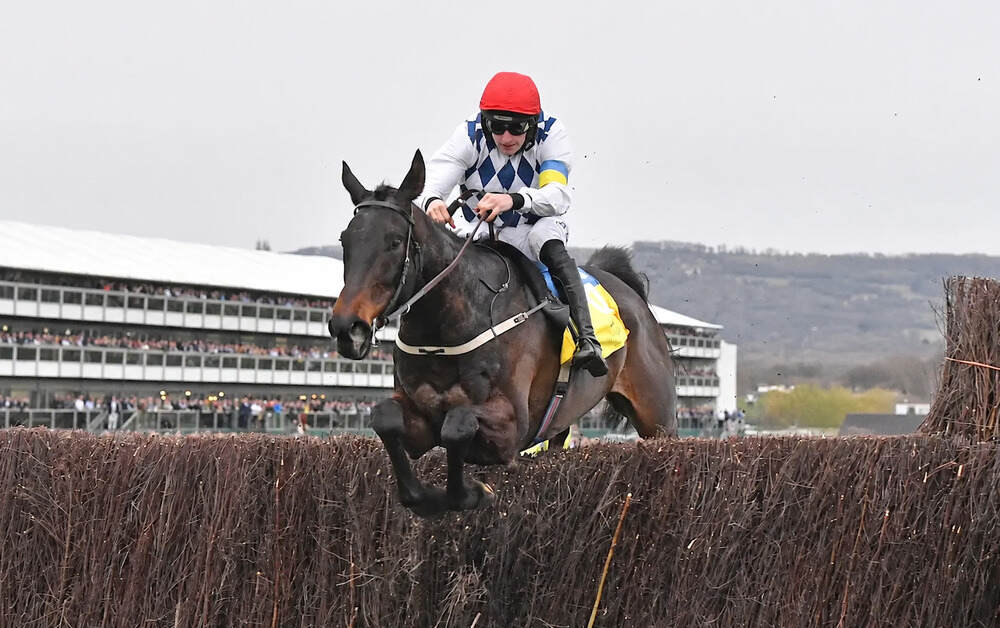
The National Hunt track is also broad and galloping. Its chase circuit features 11 fences and a run-in of approximately one furlong after the final obstacle. The fences are generally considered fair rather than unusually demanding, but I still prefer a fluent jumper. Even a fair fence can be rather unforgiving when a horse meets it on the wrong stride.
Doncaster Racecourse distances: what should I look for?
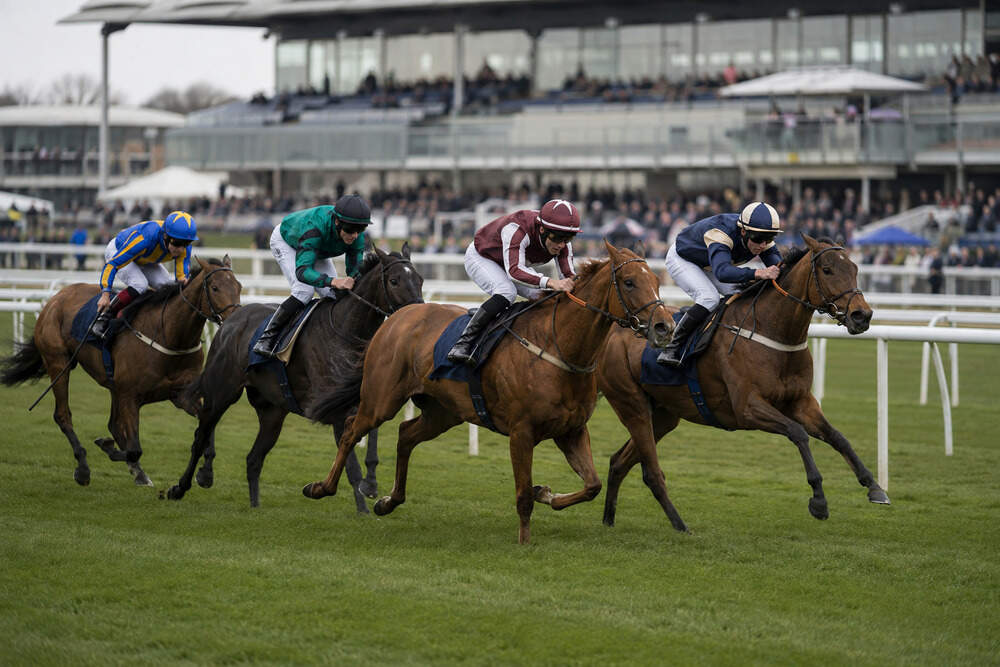
The distance and starting point at Doncaster can completely change the test. The course gives horses plenty of room to find a rhythm, but a five-furlong sprint requires very different qualities from a staying race around the full circuit.
| Distance | Course | What I usually consider |
|---|---|---|
| 5f | Straight | Early speed and a prominent position help, although a fierce battle for the lead can set the race up for a closer. |
| 6f | Straight | Pace is particularly important. I look for a strong traveller with cover or a front-runner capable of controlling its group. |
| 7f | Straight | Often fair to different running styles. The ability to settle and sustain a long run matters more than a sharp burst. |
| 1m | Straight or round | Check which course is being used. Large fields on the straight can split into groups, making pace location crucial. |
| 1m 2f–1m 4f | Round | A smooth rhythm, balance around the bends and the ability to keep galloping through the long straight appeal to me. |
| 1m 6f and farther | Round | Stamina, energy conservation and pedigree become much more important than the draw. |
| Hurdles and chases | Jumps course | Efficient jumping, tactical speed and proven stamina on a galloping track are my starting points. |
I use this table as a starting point rather than a betting system. A slowly run mile can turn into a sprint for home, while a strongly contested six-furlong handicap may require more stamina than expected. Whatever the official distance says, the pace and shape of the race usually have the final word.
Doncaster draw bias: is a high or low stall best?
There is no permanent high or low draw advantage at Doncaster. The effect of stall position can change according to the distance, field size, going, early pace and part of the course being used. That may be a frustrating answer, but I prefer it to pretending that one side always holds the winning ticket.
Historical Doncaster draw bias trends have sometimes favoured high stalls in straight-course sprints, particularly in large fields. Other samples have shown an advantage for low numbers on softer ground or over the straight mile. Rather than making the data useless, that contradiction suggests the bias is often created by the conditions at a particular meeting.
I take the draw most seriously in large-field races on the straight course, where runners can spread across the full width of the track or split into separate groups. Before betting, I look for four clues:
- Where is the early pace drawn? A horse positioned beside two natural leaders may receive a better tow than a rival isolated on the supposedly favoured side.
- Where is the quickest ground? Watch the opening races and note whether jockeys move towards one rail or deliberately avoid a worn section.
- How large is the field? The draw usually matters more when runners use the full width of the straight. In a small field, everyone may race in one group.
- What happened earlier on the card? Results, race times and the routes chosen by jockeys can reveal a developing track bias.
Before the opening race, a middle stall can sometimes look safest because it gives the jockey more options. Once the meeting has begun, however, I place more trust in evidence from the current card than in an old statistic. Tell me in the comments how you approach the Doncaster draw; it is the sort of debate racing fans could happily continue for several lifetimes.
What type of horse suits Doncaster Racecourse?
Doncaster generally suits balanced horses that travel comfortably and can sustain a gallop. I prefer runners capable of building momentum rather than relying on one short burst of acceleration. The long home straight gives strong gallopers time to challenge and can expose horses whose effort lasts for only a few strides.
On the Flat, I pay attention to form on other broad, galloping tracks such as Newbury, York, Haydock and Newmarket. A strong performance at one of those courses is only a clue rather than proof of suitability. Previous Doncaster course form is valuable, but the fair layout means adaptable newcomers should not be dismissed automatically.
Over jumps, I prefer fluent and economical jumpers that can maintain their position without wasting energy at the fences. Rhythm and tactical speed become particularly valuable on decent ground, while proven stamina moves much higher up my checklist when winter rain produces more demanding conditions.
If you enjoy this kind of course-specific analysis, you can explore more of my UK and Irish racecourse betting guides in the Inside The Tracks series.
How to bet at Doncaster Racecourse: my checklist
Before betting at Doncaster Racecourse, I work through the same basic questions on the racecard. My betting history confirms that I do not always reach the correct answers, but following a process stops me backing a horse for one attractive reason while conveniently ignoring five less attractive ones.
- Which course and starting point are being used? “One mile at Doncaster” is not enough information because the race may take place on either the straight or round course.
- What is the going, and could it change? I check the official ground description, weather forecast and race times. I also watch which areas of the track the jockeys choose or avoid.
- Where will the early pace come from? On the straight course, I map the likely leaders by stall and check whether any non-runners have changed the pace picture. A horse without a tow may be worse off than a rival drawn in the supposedly less favourable group.
- Does the horse’s running style fit the race? Prominent runners often appeal in sprints, while Doncaster’s long straight gives patient rides a fair chance over seven furlongs and a mile.
- Can the horse sustain a gallop? Doncaster often rewards a runner capable of maintaining a long, controlled effort rather than relying on repeated changes of speed.
- Is there relevant course form? I consider previous runs at Doncaster, performances on other broad, galloping tracks and whether earlier defeats came under unsuitable conditions.
- Is the distance genuinely suitable? This becomes especially important in staying races and winter chases. A fashionable pedigree cannot push a tired horse through the final furlong, however impressive it looks on paper.
- Does the price offer value? Finding the most likely winner and finding a worthwhile bet are not the same thing. If you want to explore that distinction further, my guide to finding betting value in UK and Irish handicap races explains how I approach these particularly competitive contests. At even money, I may leave alone a horse I would happily support at 5/2.
I also keep notes during the meeting. If the opening straight-course races favour one side, or front-runners struggle while racing into a headwind, I want that information in front of me. Relying on my memory after lunch has not always proved to be a winning strategy.
Flat vs jumps racing at Doncaster Racecourse
I treat Flat and jumps racing at Doncaster as two different betting puzzles. The draw can influence races on the Flat course, particularly in large fields on the straight, but there is no stall bias over jumps. For hurdles and chases, I focus instead on jumping technique, pace, ground conditions and whether a horse is comfortable on a broad, left-handed circuit.
On the Doncaster jumps course, the fair fences and relatively flat, galloping layout can suit horses with a good cruising speed. On quicker ground, a slow jumper may lose valuable lengths while the field is still travelling comfortably. Softer conditions can turn the same contest into a much stronger test of stamina. With only a relatively short run-in after the final fence, a late mistake can be difficult to repair.
The Great Yorkshire Chase and Grimthorpe Chase are among the highlights of Doncaster’s National Hunt programme. On the Flat, the Lincoln Handicap, Doncaster Cup, St Leger, Futurity Trophy and November Handicap create very different challenges. That variety is why I would be suspicious of any permanent “Doncaster betting system” claiming to work across every distance, discipline and ground condition.
How to get to Doncaster Racecourse
Doncaster Racecourse is located on Leger Way, Doncaster, DN2 6BB, approximately two miles from Doncaster railway station. It is accessible by car, train, shuttle bus and taxi, although transport arrangements may vary according to the size of the meeting.
Getting to Doncaster Racecourse by car
Drivers can reach the course using the M18, M1, A1(M) and M62. The most useful connections include junctions 3 and 4 of the M18, junction 32 of the M1 and junction 36 of the A1(M). Car Park C is normally available free of charge, although parking fees and different arrangements apply during the St Leger Festival. Before setting off, I would check the official Doncaster Racecourse website for the latest fixture information, parking arrangements and any raceday travel updates.
Getting to Doncaster Racecourse by train and shuttle bus
Doncaster railway station and the adjoining interchange are approximately two miles from the racecourse. A shuttle bus normally operates during major race meetings, while taxis provide another option for the final part of the journey. Services and fares can change, particularly for quieter winter fixtures, so it is worth checking the arrangements in advance.
Typical direct train times to Doncaster station are:
| Starting city | Approximate journey to Doncaster station |
| York | 20 minutes |
| Sheffield | 22 minutes |
| Leeds | 30 minutes |
| Manchester | 1 hour 20 minutes |
| Newcastle | 1 hour 23 minutes |
| Birmingham | 1 hour 28 minutes |
| London King’s Cross | 1 hour 40 minutes |
| Edinburgh | Just under 3 hours |
These times should be treated as general journey estimates rather than guaranteed timetables. Remember to add the transfer between Doncaster station and the racecourse, and allow extra time for road traffic during major meetings.
That is how I currently read Doncaster, but racing never stops teaching us new ways to be wrong. If you have spotted a recurring angle at the track—or strongly disagree with one of mine—share it in the comments. A useful racecourse guide should be a conversation, not the final ruling from the stewards’ room.
Please gamble responsibly. Betting should remain entertainment, and no course angle guarantees a profit.
Doncaster Racecourse FAQs
It is both. Doncaster stages Flat racing from spring to autumn and National Hunt fixtures in winter. Stalls and draw bias are irrelevant in hurdles and chases.
There is no universal pace bias. Prominent horses can appeal over five and six furlongs, but the long straight gives closers time. Consider the field size, expected pace and ground.
Neither side is automatically best. Biases change with the distance, going and rail position. I identify where the early speed is drawn and watch which part performs best.
The course suits balanced horses that travel and sustain a gallop. Longer Flat races and winter jumps fixtures demand more stamina, while efficient jumping helps chasers maintain their rhythm.
The St Leger is Doncaster’s best-known race and the final British Classic of the season. However, the course hosts important racing throughout the year, including the Lincoln Handicap, Futurity Trophy, Doncaster Cup, Great Yorkshire Chase and Grimthorpe Chase.






Leave a Reply