
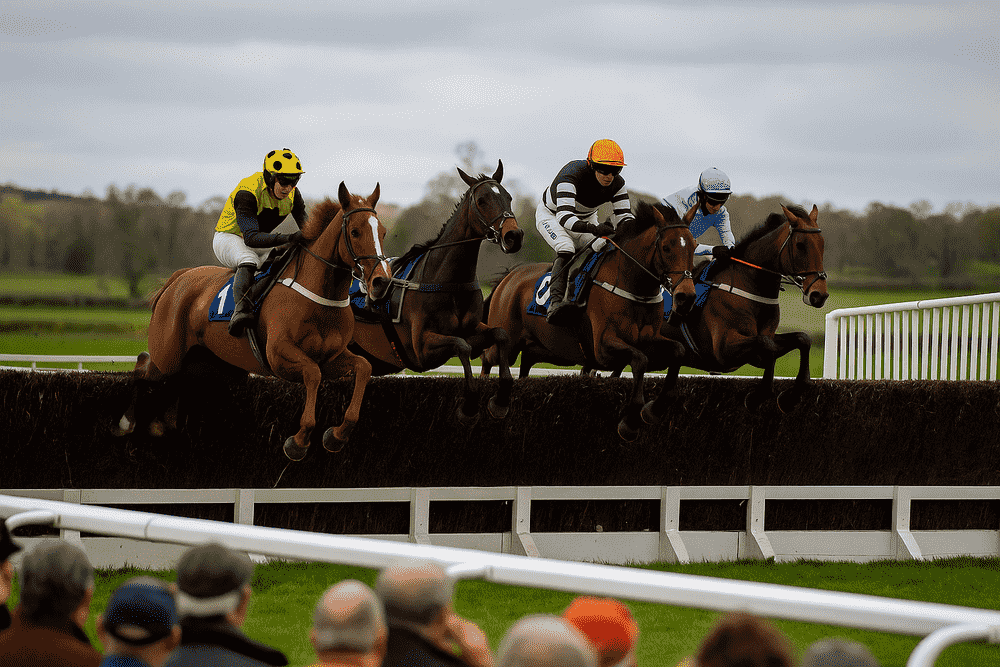
If you follow jumps racing through the winter, you don’t really “discover” Venetia Williams – you just wait for the rain to arrive and watch her yard catch fire. It’s the same story every season, and it’s exactly why a proper Venetia Williams stable tour makes so much sense: the ground turns testing, the staying chasers come out, and those black-and-white colours start popping up in big handicaps and graded chases.
In this piece I want to go beyond the headlines and put together a full stable tour for the 2025/26 season – not just a list of horses, but a look at how her yard works, what kind of types she trains, where they tend to peak, and the patterns that matter if you like following her runners through the winter months.
As always, I’ll keep things as honest and opinionated as you’d expect from Inside The Paddock, but everything here is grounded in her real record, her big-race performances and the way her string has shaped recent seasons. If you’re trying to understand why Venetia’s team comes alive when the mud starts flying, this is the place to start.
If you enjoy following these yard profiles, you can find all my other seasonal lists in the Horses to Follow section, where I track the standout runners from every major National Hunt stable this year.

Venetia Williams: yard profile and three decades at the top
Venetia Williams has been training out of Aramstone Stables in Herefordshire since the mid-1990s. In that time she has sent out more than 1,700 winners and earned close to £23m in prize money, making her the most successful female National Hunt trainer in Britain in numerical terms. It’s a remarkable record for a yard that still feels grounded, practical and very much shaped by its surroundings.
If you want to explore more about her background and yard directly, her official website offers a nice overview of her career and current operation.
Her CV is full of moments that define modern winter jumping:
- Teeton Mill winning the Hennessy Gold Cup and the King George VI Chase in 1998.
- Mon Mome shocking the world at 100/1 in the 2009 Grand National.
- Royale Pagaille dominating the Betfair Chase with back-to-back wins.
- Gemirande grinding out a big victory in the December Gold Cup at Cheltenham in 2024.
Those are the headlines, but what interests me most – especially when putting together a stable tour – is the pattern behind them. Venetia has built a yard designed to peak in the depths of winter, when stamina, accurate jumping and sheer resilience matter far more than raw speed. It’s an identity forged over decades at Aramstone, and it explains why her runners consistently come alive when the mud starts flying. of winter, when stamina, jumping accuracy and resilience matter more than raw speed.
The typical Venetia Williams horse: profile, attitude and ground preferences
When people talk about the “Venetia Williams type”, they’re not imagining things. Over the years, the yard has developed a very recognisable National Hunt profile – the kind of horse you expect to see feature in a proper winter stable tour: tough, reliable, good over a fence, and happiest when conditions turn testing.
Strong stayers with deep engines
Her best horses stay well, travel honestly and keep finding when others crack. They have that relentless, rhythmical way of going that has become a hallmark of the yard. Mentally, they’re uncomplicated types who keep responding when the race turns into a battle.
French influence and neat jumping
Many of Venetia’s chasers come through the French system, and you see the benefits immediately: economical technique, clean jumping and a natural ability to handle soft or heavy ground. They measure their fences, get in tight, pop, and land running – exactly what you want when the tempo lifts in mid-winter.
Fitness first time out
One trait I’ve learned not to underestimate is how ready Venetia’s runners often are on their seasonal debuts. If the ground is suitable, they can be very sharp after a break, and I rarely penalise them for a long absence. First time out on soft ground is often a green light rather than a worry.
This consistent profile is the foundation for how Venetia trains her string – and why her methods work so well once winter truly arrives.

How Venetia’s training methods shape her winter peak
One thing that stands out in any proper stable tour of Venetia Williams is how winter-focused her entire training routine is. At Aramstone, everything is built around producing horses that can absorb pressure, maintain a rhythm and stay strong when conditions are at their toughest.
Conditioning on deep gallops and uphill stretches
Venetia doesn’t just adapt to winter – she prepares for it. Her woodchip gallops and long uphill climbs are designed to build core fitness early. You see the results every year: horses returning from breaks already looking like they’ve had a run or two. It’s steady conditioning rather than flashy fast work, but it creates the stamina base her chasers rely on.
Schooling that creates accuracy and rhythm
Her schooling fences are used often and used early. Venetia’s string jumps regularly, which explains why her horses tend to be so smooth and economical at their obstacles. There’s no drama: they measure, they pop, they land running. That accuracy becomes a major advantage in deep-ground winter chases, where one mistake can end your race.
Managing spacing and timing through the season
Another important part of her method is spacing runs. Venetia rarely forces a quick turnaround unless the individual horse thrives on it. Instead, she conditions them to peak when the ground is deepest and the tests are toughest. It’s a deliberate, winter-first philosophy – and it’s no coincidence that her strongest bursts of form arrive between November and February.
These training habits explain why her seasonal patterns are so consistent – and why her runners tend to come alive exactly when other yards start to struggle.
Seasonal pattern: why Venetia’s runners peak when winter bites
If you follow Venetia Williams closely, one seasonal trend appears again and again: her yard comes alive just as other stables start to hit the mid-winter wall. It’s one of the most consistent form cycles in modern National Hunt racing, and it’s a key part of understanding her stable tour.
A yard that thrives from late autumn to mid-winter
Across recent seasons, Venetia’s strongest bursts of form have arrived between late October and the end of January. These are the months when the ground turns soft, the staying chases become proper stamina tests, and the races start to reveal which horses have been conditioned for deep-ground winter racing. For Venetia’s team, this is home territory.
Big-race examples that define the pattern
Royale Pagaille in the Betfair Chase and Gemirande in the December Gold Cup are perfect illustrations of how her horses peak in these conditions. When the forecast is wet and the pace turns attritional, her runners settle, jump, and keep responding as the field thins out behind them.
A simple rule of thumb for punters
My rule is straightforward:
when winter hits properly, upgrade every Venetia Williams runner.
On decent ground earlier in the season I’m more cautious, but once it turns soft or heavy, her entries jump straight to the top of my shortlist in big handicaps or graded chases. It’s a pattern built on conditioning, timing and a yard philosophy centred around resilience.
The best racecourses for Venetia Williams runners
Every yard has its happy hunting grounds, and with Venetia Williams the patterns are remarkably consistent year after year. Certain tracks bring out the very best in her horses, especially once the winter ground turns soft and stamina becomes the deciding factor. These are the racecourses where, when I see a Venetia runner on the card, my attention level automatically rises.
Haydock: the heart of Venetia’s winter form
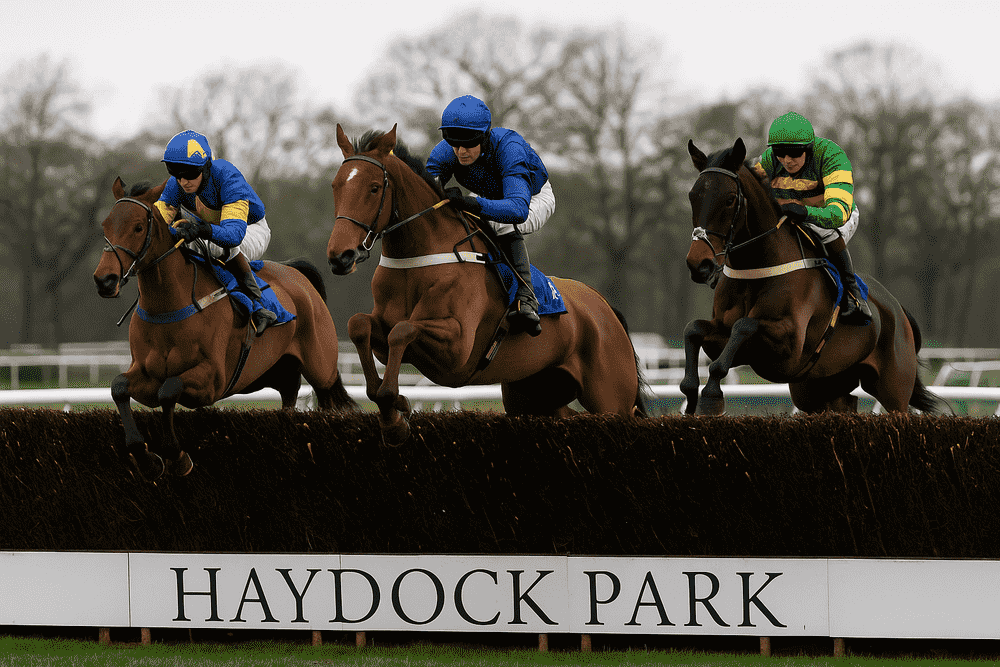
If there’s one track that defines the modern Venetia Williams yard, it’s Haydock. The staying chases here are proper tests: long straights, deep ground, and fences that reward rhythm rather than flashy speed. Her chasers – big, relentless gallopers with clean jumping technique – tend to come alive on this circuit. Royale Pagaille’s Betfair Chase exploits say everything you need to know. When a Venetia runner lines up over three miles or further at Haydock in soft or heavy ground, it is almost an automatic entry on my shortlist.
Cheltenham: accuracy, balance and toughness
Cheltenham demands three things: bravery, balance and economical jumping. These are qualities Venetia’s French-bred types have in abundance. I’m especially wary of her in handicap chases from 2m4f upward, where the ability to travel and keep finding up the hill can make the difference late on. Her runners usually handle the twists, undulations and pressure of Prestbury Park far better than the market expects.
Ascot: stamina, rhythm and classy handicappers
Ascot has become a quietly strong track for Venetia’s staying handicappers. The stiffer finish, demanding fences and attritional pace in winter play directly to her strengths. Horses like Victtorino have shown how her string often elevates their form on this course, especially in valuable 3m handicaps when the ground is testing.
Other tracks where Venetia’s profile fits
I always keep an eye on her entries at Newcastle, Warwick, Uttoxeter, Lingfield and Hereford. These tracks consistently reward horses who settle, jump cleanly and maintain a long, relentless gallop – the exact blueprint of a Venetia winter chaser.
In short: whenever the conditions are demanding and the track favours stamina, accuracy and resilience over pure pace, a Venetia Williams runner is almost never a coincidence. Son días para marcar en rojo en cualquier cuaderno de apuestas de invierno.
Race types where Venetia excels
One of the strongest themes that keeps coming up in any Venetia Williams stable tour is how clearly her horses fit specific race types. When you look past the headlines and dig into her results, the pattern becomes unmistakable: Venetia’s runners thrive in contests where stamina, rhythm and honesty at the fences matter more than outright speed. Winter racing exposes weaknesses, and her horses are trained to handle exactly that.
Staying handicap chases (2m6f–3m2f)
If there is a race type that defines Venetia’s yard, this is it. Staying handicap chases demand accurate jumping, a relentless gallop and the attitude to keep responding when conditions become brutal. Her French-bred chasers – the Gemirande, Victtorino, Cloudy Glen types – seem to find extra gears when others are crying enough. These races showcase the core of Venetia’s philosophy: toughness, rhythm and deep-ground stamina.
Deep-ground attritional tests
Soft or heavy ground is where Venetia’s strike-rate genuinely spikes. When a staying chase turns into a war – Haydock, Lingfield, Newcastle – her horses often look better the further they go. They maintain rhythm through tired fields, jump cleanly when others start guessing, and finish their races with more authority than the market typically expects. If the forecast is grim, her runners go straight onto my shortlist.
And if you like following horses who come alive in these conditions, I’ve also put together a full guide to this season’s soft-ground specialists – ten runners who genuinely thrive when the mud is flying.
Mid-range graded chases (2m3f–2m5f)
Though the yard is built on stayers, Venetia has consistently produced high-quality mid-range chasers. Djelo is the current poster boy: smooth, efficient and powerful at 2m4f. These races reward balance and rhythm, and that’s exactly what her schooling produces. When she aims a horse at a Grade 2 or Grade 3 between 2m3f and 2m5f on soft ground, I take them extremely seriously.

Venetia Williams horses in training to keep an eye on in 2025/26
No Venetia Williams stable tour feels complete without looking at the core horses that will shape her 2025/26 winter campaign. This isn’t meant to repeat my full “Horses to Follow” guide, but rather to place each key name into the wider context of how the yard operates: who carries the flag in big races, who keeps the scoreboard ticking, and who might surprise us when the ground turns deep.
L’Homme Presse – the flagship staying chaser
When he’s in one piece, he’s still one of the classiest staying chasers in Britain. A Cotswold Chase winner who travels and jumps like a natural, he remains Venetia’s main Grade 1 hope. Soft or heavy ground is always a positive, and any 3m+ test on a left-handed, galloping track will bring out his best.
Royale Pagaille – the Haydock mud specialist
A two-time Betfair Chase winner and the very definition of a Venetia winter horse. Relentless, powerful, uncomplicated. Even at eleven, he continues to thrive in deep-ground, long-distance chases at Haydock and similar stamina tracks. When the ground goes bottomless, he becomes a different animal.
Djelo – the mid-range star on the rise
One of the most exciting horses in the yard. Smooth over his fences, quick to find a rhythm, and already a proven force at 2m4f–3m in graded company. He has the versatility to run in a Peterborough Chase-type race or stretch out further when the ground is soft.
Gemirande – the model Venetia handicapper
Winner of the December Gold Cup and the kind of tough, hard-knocking chaser that defines the yard. Travels strongly, jumps honestly and keeps responding under pressure. Any big Saturday handicap from 2m4f to 3m on testing ground suits him perfectly.
Victtorino – the Ascot/Newbury staying player
A superb big-field handicap chaser with proven form in strong 3m races. Third in the Coral Gold Cup and a winner of the Silver Cup, he has the scope to stay competitive in the richest staying handicaps throughout the winter, especially on galloping tracks.
Funambule Sivola – the 2-mile speedball
Sharp, fast and accurate at his fences. At his peak he has near-Grade-1 ability over the minimum trip. He’s very track-dependent – prefers tighter, right-handed circuits – but when he gets his scenario, he remains a major danger.
Green Book – the dependable staying hurdler
A proper slogger who turns up repeatedly in deep-ground staying hurdles. Rarely runs a bad race when conditions are tough, and often makes the frame in competitive handicaps over 2m7f+. A reliable winter type.
Frero Banbou – rejuvenated over longer trips
The revelation last season was how well he stayed 2m6f–3m when conditions were gruelling. If Venetia keeps him at marathon distances, he could pick up another valuable staying handicap this term.
Chambard – the veteran with one more big day
A Cheltenham Festival winner who retains enthusiasm, even if age limits the ceiling now. Still dangerous in veteran chases on soft ground. Not one to follow blindly, but under the right setup, he can still surprise.
Cloudy Glen – the old warrior
Another seasoned campaigner who’s at his best in big-field handicaps where stamina wins the day. Needs his conditions, but when he gets them, he’s capable of running well in major staying events.
For a deeper dive into this season’s string, check out my full Venetia Williams horses to follow 2025/26 guide.

Jockey partnerships: Charlie Deutsch and the yard’s rhythm
No Venetia Williams stable tour is complete without talking about the rider who has defined so many of her biggest winter days: Charlie Deutsch. Few jockey–trainer partnerships in British jumps racing feel as naturally aligned. What I like most is how Deutsch gets Venetia’s horses into that trademark rhythm – no rush, no panic, just a smooth, balanced gallop that lets their jumping and stamina take over. When he’s on a Venetia runner in a staying chase on soft ground, my antenna goes up immediately.
Why Deutsch suits Venetia’s style so well
Deutsch has an instinctive feel for when to let one roll into its fences and when to sit still and wait. That matters massively with Venetia’s French-bred chasers, who respond best to calm, confident riding. His wins on Royale Pagaille, L’Homme Presse and Gemirande all had the same blueprint: settle, jump, keep applying pressure.
Other key jockeys in the yard
Although Deutsch is the cornerstone, Venetia has always used her riders well. Lucy Turner has delivered some smart front-running rides in big handicaps, while Hugh Nugent has developed into a reliable partner for strong-staying types. The pattern is clear: Venetia picks jockeys who understand rhythm, patience and accuracy – the foundations of her winter success.
Key trends that define the Venetia Williams yard
Any proper Venetia Williams stable tour has to include the long-term patterns that keep showing up year after year. These aren’t guesses or clichés – they’re the traits that explain why her runners consistently shape the winter jumps season.
Winter strength and deep-ground dominance
Venetia’s best bursts of form always align with the same period: late November through January. As soon as the ground turns soft or heavy, her strike-rate rises sharply. Horses like Royale Pagaille, Gemirande and Victtorino have shown repeatedly that her string is conditioned to thrive when races become proper staying tests. This is one of the most reliable winter patterns in British National Hunt racing.
Big-race effectiveness
For a yard known for tough handicappers, Venetia’s record in major races is seriously underrated. The Betfair Chase, December Gold Cup, Grand National and King George have all fallen her way over the years. When the conditions suit, her runners don’t just compete – they often overpower more fashionable rivals.
Long-term consistency and profile clarity
More than 1,700 winners in three decades tells its own story. But what stands out is how consistent her yard’s profile remains: accurate jumping, strong travellers, deep-ground stamina and horses that keep finding when others empty. When you follow Venetia through a winter, you’re not betting blind – you’re following one of the clearest, most dependable trends in the National Hunt game.
Betting angles: how I like to read Venetia’s runners
One of the parts readers always want from a Venetia Williams stable tour is the betting side: when I like to get involved, when I stay cautious and what patterns I’ve learned to trust over the years. Venetia’s yard is one of the few where the angles repeat themselves season after season, especially when winter kicks properly.
Ground: soft or heavy is a major upgrade
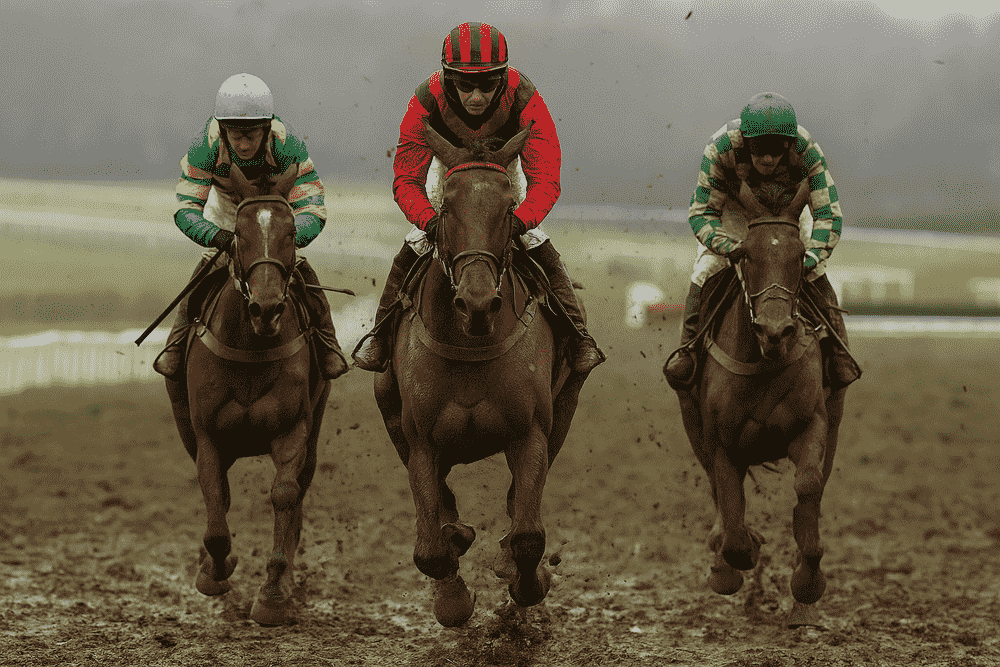
This is the single biggest factor. Venetia’s best horses are deep-ground specialists, and their strike-rate jumps as soon as the going turns testing. Royale Pagaille at Haydock is the perfect example: in the mud, he’s a different horse. If the ground is soft or heavy, I automatically bump her runners up my shortlist.
Freshness: first time out is often a green light
Unlike many winter yards, Venetia has her horses very fit at home. If the ground is right, I don’t mind them turning up after a break of 200 days or more. Gemirande, Djelo and L’Homme Presse have all run massive races fresh.
Race type: staying handicaps and proper stamina tests
From 2m6f to 3m2f, Venetia’s chasers are built for long-distance winter handicaps. They jump cleanly, travel honestly and keep finding when others crack. Deep-ground staying handicaps are her sweet spot.
Course fit: follow patterns, not vibes
Haydock in the mud, Cheltenham in staying handicaps, Ascot for rhythm horses. If the track suits the horse’s natural profile, Venetia places them very well.
Final thoughts on Venetia Williams: why her yard still defines the winter game
Whenever I sit down to put together a proper Venetia Williams stable tour, I’m reminded of just how much influence her yard has on a jumps season. You don’t just follow Venetia’s runners – you track the weather, the ground and the calendar, because her horses shape the rhythm of winter. When the rain arrives and the staying chases turn into battles of stamina, her team consistently steps forward while others begin to fade.
What makes her operation so fascinating is the clarity of its identity: tough French-breds, deep-ground engines, accurate jumping and a conditioning style designed to peak when the season becomes unforgiving. More than 1,700 winners and three decades at the top aren’t just numbers – they’re proof of a yard built on consistency, craftsmanship and an instinctive understanding of winter racing.
For punters, that combination is gold. Venetia’s patterns repeat year after year, which means you’re not guessing. You’re recognising trends, understanding placement and reading a yard that knows exactly what it takes to win from November to February.
If there’s one thing to take away from this guide, it’s simple: when winter bites, Venetia’s runners come alive. And that’s why she remains one of the most important – and most reliable – forces in the National Hunt game.




Leave a Reply