
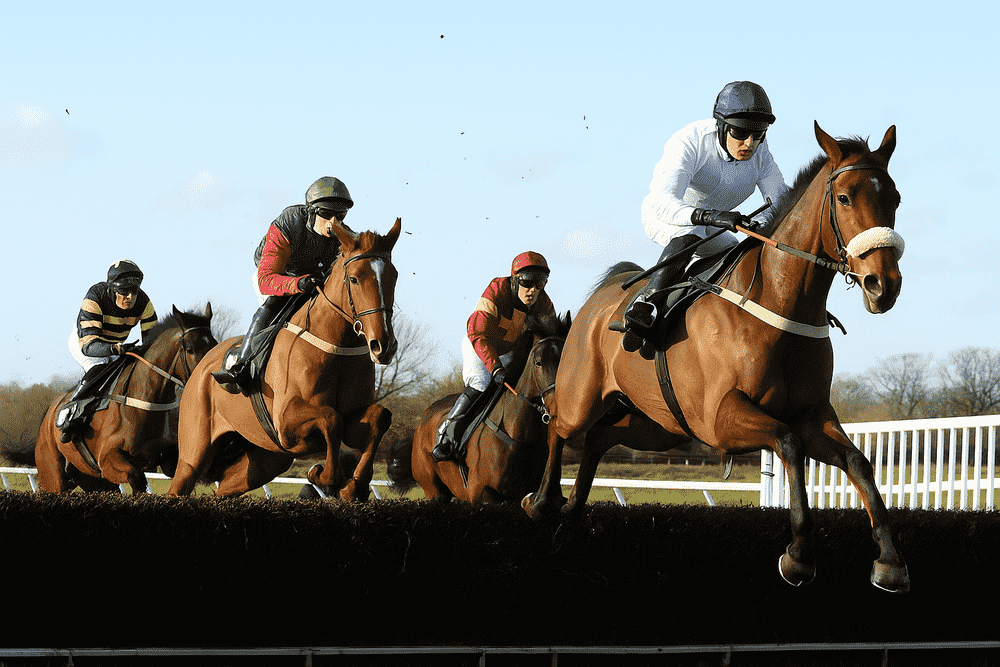
If there’s one race in the National Hunt season that mixes tradition, class, Christmas chaos and the annual reminder that “maybe opposing Paul Nicholls at Kempton wasn’t the brightest idea”, it’s the King George VI Chase. And if you’ve ever looked into King George VI Chase trends, you’ll know this race has one of the most consistent winner profiles in the calendar. Boxing Day wouldn’t feel like Boxing Day without it, and every year—once the mince pies settle and the family arguments die down—the King George rolls in and sorts out who’s a real Grade 1 chaser and who’s just pretending.
Around this time of year—early December—I always get the same itch: I check the antepost market, the provisional entries, the whispers from various yards, and I start trying to get a feel for the race. But here’s something I’ve learned after studying this contest for more than a decade: form, hype and trainer quotes matter… but the real gold sits in the patterns.
1. Age trends in the King George VI Chase
Let me start with the trend I consider the strongest: age. When you look at King George VI Chase trends, age jumps out straight away as one of the most reliable indicators of who is actually likely to win this race.
From the last 12 winners, 11 were between 6 and 8 years old.
That’s not a trend – that’s a flashing neon sign.
Why is this so consistent? Because the King George demands a very specific balance:
- enough maturity to stay 3 miles at Grade 1 pace,
- enough speed to travel sweetly around Kempton,
- enough athleticism for quick fences,
- and enough freshness to peak in mid-season.
Six, seven and eight-year-olds sit right in that sweet spot.
Five-year-olds are still learning.
Nine-year-olds often know too much – and their legs know even more.
So when the entries come out, my first filter is laughably simple:
6–8 years old = in. Over 8 = proceed with caution.
If you enjoy digging into profiles and spotting future winners, you can also browse my growing list of horses to follow this season — updated regularly with standout names from the major yards.

2. Betting trends in the King George VI Chase
Next up are the betting trends, which are always worth a closer look when analysing King George VI Chase trends. A lot of punters love the romantic idea of a 25/1 shocker landing this race. And yes, Tornado Flyer showed up at 28/1 like the chaotic relative no one invited and blew the whole market apart.
But most years? The King George is actually far more predictable than people think.
Only 3 of the last 12 favourites have won,
but 7 of the last 12 winners were in the top three of the betting.
That tells me something important:
the market usually has the right shortlist even when it doesn’t get the exact winner.
This isn’t a race full of hidden gems. It’s a race where high-class horses, already proven at the top level, tend to do what high-class horses usually do.
So when I’m analysing the field, I don’t try to be overly clever. I start with the top three in the market and work outward – because historically, that’s exactly where the winner hides. top three and work outward—because that’s historically where the winner hides.
3. Recent run trends in the King George VI Chase
Another pattern that stands out when looking at King George VI Chase trends is the importance of a recent run. This is one of my favourite trends because it’s so consistent and makes so much sense.
Across the last 12 editions,
9 winners had raced within the previous 44 days,
and 5 had actually won their last start.
To put it bluntly: nobody wins the King George fresh.
This isn’t a comeback stage.
It’s a 3-mile pressure cooker where only fit, tuned-up horses survive the final lap.
If a horse is making its seasonal debut, I’m out.
If it hasn’t run for months, I’m out.
If it had a recent spin and looked sharp, I’m very much in.
At this point I don’t even hesitate:
recent run = contender; long layoff = not today, my friend.
4. The Lancashire Chase route and its impact on King George VI Chase trends
Now here’s a trend that feels almost like an insider secret when you dig into King George VI Chase trends: the huge influence of the Lancashire Chase, better known as the Betfair Chase at Haydock.
Across the last 12 runnings,
4 winners came straight from the Lancashire Chase,
with 2 of them winning at Haydock and another finishing placed.
Why does this route work so well?
Because the Betfair Chase is basically survival training. If a horse can battle through heavy ground, a relentless pace and Grade 1 opposition at Haydock, it arrives at Kempton battle-hardened and ready for a very different kind of test. The faster, sharper layout at Kempton almost feels like a luxury upgrade after slogging through the mud.
So whenever I see a horse taking the Haydock → Kempton path, I automatically bump it up my shortlist. Historically, it’s one of the most reliable prep routes for producing a genuine King George contender.had.
And if you’re already thinking ahead to the Festival, I’ve also put together a breakdown of the key trainers to follow for Cheltenham 2026, based on similar long-term patterns and performance cycles.
5. Kempton experience and course-form trends in the King George VI Chase
Another pattern that stands out clearly when looking at King George VI Chase trends is the importance of Kempton experience. This track is a specialist venue, and the numbers from the last 12 runnings prove it:
- 9 of the last 12 winners had run at Kempton before, and
- 6 of them had already won at the track.
Kempton asks questions that other Grade 1 tracks simply don’t. It has:
- sharp bends,
- a fast-ground feel even in winter,
- quick, well-positioned fences,
- and a rhythm that rewards fluent, pace-friendly travelling.
Not every stayer is built for Kempton. Some horses need time to warm up, some are galloping types, and some find the pace here a bit too sharp.
That’s why course form is such a valuable indicator. If a horse has been to Kempton before and handled it well, that’s a massive trend tick in its favour.
If you’ve never been to Kempton and you’re thinking about experiencing the King George in person, you can find full venue details and ticket information on the official Kempton website.
6. Stamina trends: why proven three-mile form is essential in the King George VI Chase
One of the clearest King George VI Chase trends is the importance of proven stamina. The numbers from the last 12 runnings are brutally consistent:
- 10 of the 12 winners had at least four previous runs over 23–25 furlongs, and
- 9 of them had at least two wins over the same trip.
In other words: the King George is not the place to “try” three miles for the first time. Kempton’s pace and rhythm demand both stamina and speed, and very few horses can fake that combination.
If a horse hasn’t run the trip before, or hasn’t won over it, its chance of winning here is almost entirely theoretical. This is a race where you need a proper staying profile, built through experience rather than promise.
When I’m analysing the field, this is one of the fastest filters I apply:
proven three-mile form = contender; untested stayer = big question mark.
7. Chase experience trends in the King George VI Chase
Another point that stands out when analysing King George VI Chase trends is just how important chase experience really is. This race consistently rewards the finished articles, not the up-and-coming types who are still learning their trade.
Across the last 12 editions:
- 10 winners had at least eight chase runs, and
- 9 had already won five or more chases.
That tells us everything: the King George goes to the grown-ups.
Promising novices can run well here, of course, but winning this race is a very different challenge. The pace, the jumping rhythm and the pressure of Grade 1 company expose any weaknesses or inexperience very quickly.
So when I look at the field each year, I apply a simple rule:
proper chase résumé = trend tick; lightly raced chaser = unlikely winner.
If chase profiles are your thing, I’ve also put together a full Venetia Williams stable tour with detailed notes on her chasers and the ones to keep on your radar.
8. Ratings and class trends in the King George VI Chase
When you study King George VI Chase trends, the ratings line is impossible to ignore. Class rises to the surface in this race more consistently than almost anywhere else in the National Hunt season.
Across the last 12 runnings:
- 9 of the 12 winners were rated 162 or higher, and
- very few horses rated below 160 have ever threatened to win.
This tells us that the King George demands a very specific profile: a proper Grade 1 horse with proven class, speed and stamina. Horses rated in the mid-150s can run well, can travel, can even place — but actually winning the King George requires elite-level ability.
Whenever I scan the entries, this is one of the quickest filters I apply:
162+ puts you in the conversation; 165+ makes you a serious contender; 170+ means you’re genuinely dangerous.
9. Grade 1 form trends in the King George VI Chase
Another key pattern that jumps out when reviewing King George VI Chase trends is the role of top-level form. Quite simply, this is not a race where horses become Grade 1 winners — it’s a race where existing Grade 1 horses prove it again.
Across the last 12 editions:
- 11 of the 12 winners had already won a Grade 1, and
- 6 had won two or more Grade 1 races.
That level of consistency tells us everything: the King George demands established class. You don’t bluff your way through Kempton; if you’re not already proven at the top level, this race tends to expose you very quickly.
Whenever I’m assessing the field, this trend becomes a straightforward filter:
Grade 1 winner = strong match; non–Grade 1 winner = serious question mark.
10. Seasonal run trends in the King George VI Chase
One of the simplest but most consistent King George VI Chase trends is the requirement for a seasonal run. And unlike other patterns that have one or two exceptions, this one has none.
Across the last 12 editions:
- 12 out of 12 winners had already raced that season,
- 0 of 12 were making their seasonal debut.
In other words: nobody wins the King George fresh.
This race demands fitness, rhythm and sharpness. Reappearing after a long break might work in plenty of Grade 2 or Grade 3 contests, but Kempton on Boxing Day is a completely different test.
Whenever I see a runner turning up here without a prep run, my reaction is instant:
seasonal run = green light; seasonal debut = absolutely not.
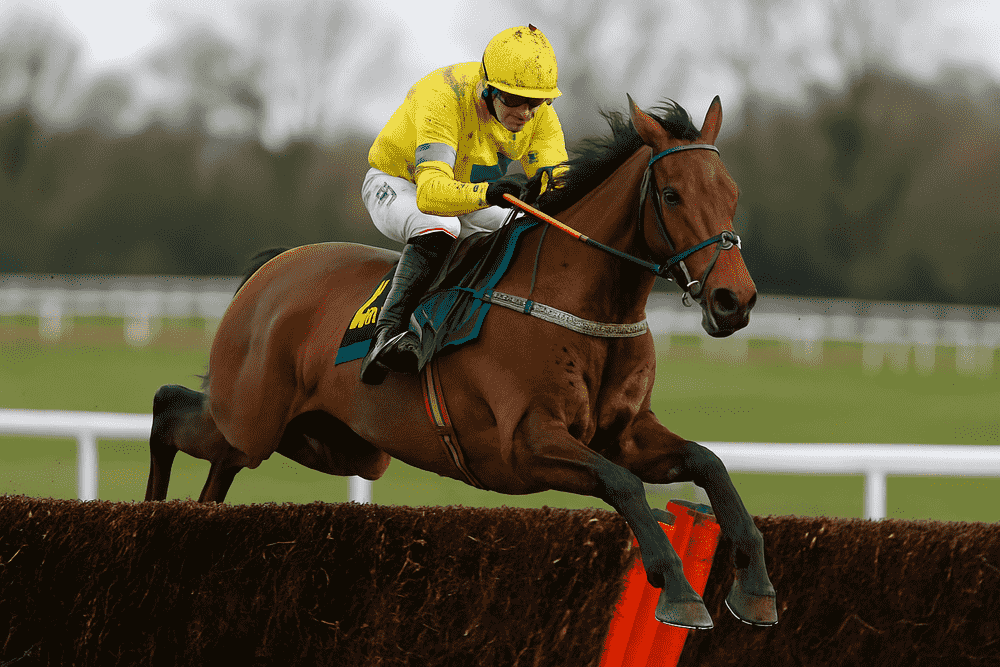
Combining all King George VI Chase trends: the winning profile
When you combine all the King George VI Chase trends together, a remarkably consistent winning profile emerges. Across the last 12 editions, the same characteristics appear again and again, almost like a blueprint for what a genuine King George contender should look like.
Here’s the template that keeps repeating:
- Age: 6–8 years old
- Official rating: 162 or higher
- Stamina: proven form over 3 miles (preferably with wins)
- Kempton experience: at least one previous run; winning form even better
- Last run: raced within the previous six weeks
- Grade 1 record: at least one prior Grade 1 win
- Chase experience: 8+ chase runs, 5+ chase wins
- Market position: typically sits in the top three of the betting
If a horse ticks most of these boxes, it usually runs very close.
If it ticks all of them, we may well have found the horse to beat.
This is the part I enjoy most: spotting the runners who line up perfectly with the historical template. The trends aren’t everything, of course, but in a race like this one, they often get you a lot closer to the truth than hype or hunches.
Applying the King George VI Chase trends to the 2025 contenders
With more than two weeks still to go before final declarations, it feels premature to dissect every possible runner. But when I apply the key King George VI Chase trends to the leading names in the antepost market, a few horses naturally rise to the top. I’m not making predictions here — just highlighting the runners who currently match the historical winning profile best.
Here are the three that stand out most on trends alone:
1. Fact To File (8yo, Willie Mullins)
If I tried to design the perfect King George candidate in a lab, I’d probably end up with sIf I tried to design the perfect King George candidate in a laboratory, I’d probably end up with something suspiciously similar to Fact To File. He hits almost every trend:
- ideal age (8),
- high rating,
- proven stayer,
- Grade 1 winner,
- and that unmistakable Mullins polish.
On trends, he’s a fully qualified monster.
2. Il Est Français (7yo, Tom George)
This one fascinates me. He’s not just classy — he’s already won a Grade 1 at Kempton, which is a trend tick most horses simply can’t offer. Add his age, jumping style and form profile, and he becomes one of the most threatening contenders on paper.
He’s:
- 7 years old,
- classy,
- agile,
- jumps like a dream,
- proven at the track.
On trends alone, he is one of the scariest contenders.
3. Gaelic Warrior (7yo, Willie Mullins)
He matches almost everything:
- age,
- class,
- rating,
- recent form,
- Grade 1 credentials.
The only question is:
is he a true three-miler?
If he is, he fits the template beautifully.
Final thoughts on the King George VI Chase trends
The King George VI Chase isn’t chaotic, unpredictable or the kind of race where you simply close your eyes and hope for a 33/1 miracle. If anything, the last decade shows just how stable and reliable the King George VI Chase trends really are. They hold firm across different ground conditions, different generations of horses and completely different tactical scenarios.
That’s exactly why I enjoy analysing this race so much. Once you understand the patterns, the puzzle becomes far easier to read — and far more enjoyable to watch. Even if your Boxing Day bet decides to take the scenic route around Kempton, at least you’ll know why the winner looked the part on paper.
I hope this breakdown helps you approach the 2025 edition with sharper eyes, clearer reasoning and a bit more confidence in ignoring the hype and trusting the data. If the trends keep doing their job, they may well guide us straight to the winner again.



Leave a Reply