
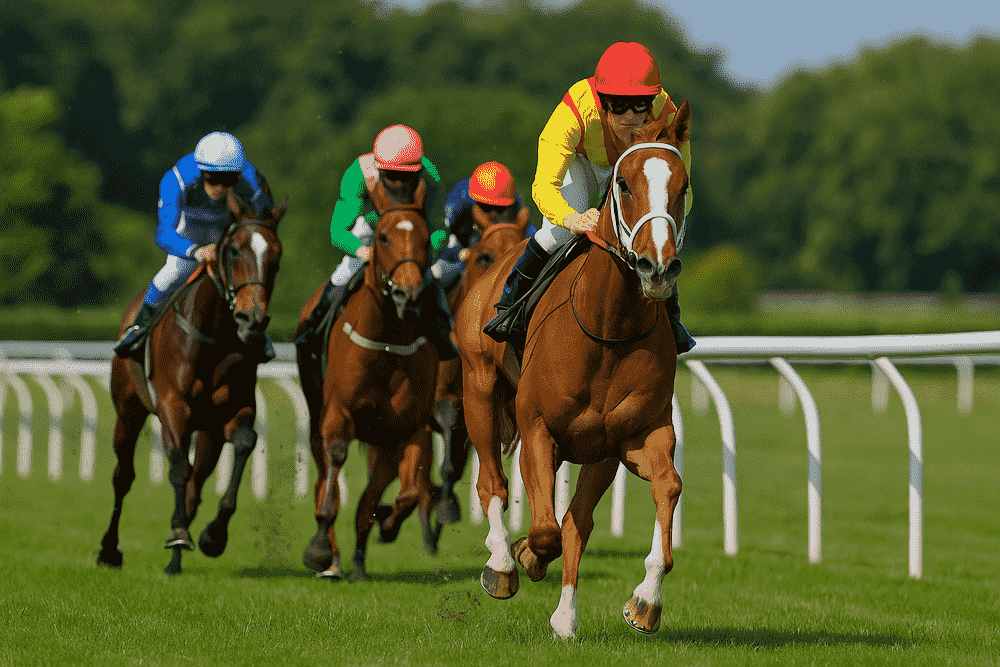
If there’s one thing I’ve learned after too many winters spent watching race replays, checking pace maps and trying to spot patterns, it’s this: front-running horses can shape a jumps race long before the final fence. And they matter a lot more over winter ground than many people realise.
So today I wanted to do something a bit different — not a “Ten to Follow”, not a trainer guide, not a Festival prediction — but a look at the horses who love one thing above everything else: getting to the front and asking the rest to catch them.
This isn’t a list of certainties or a betting system. It’s simply my personal shortlist of seven front-runners in the UK and Ireland who enjoy dictating the pace and who, for one reason or another, are worth keeping an eye on in the 2025/26 jumps season. If you want my broader season-long view, you can also check out my full 2025/26 Horses to Follow guide.
Some are classy, some are quirky, and some would probably prefer running backwards rather than taking a lead — but that’s exactly why front-runners are so interesting. Let’s get into it.
Why I care about front-runners (and why you probably should too)
One of the reasons I’m so fascinated by front-running horses is how they can shape a jumps race long before the rest of the field has worked out what’s happening. When a horse grabs the rail, jumps economically and settles into its own rhythm, it instantly forces everyone else to react — and on winter ground, reacting is rarely a comfortable place to be. If you’re new to pace analysis, the breakdowns on the Racing Post are a great way to understand how early positions influence a race.
Of course, front-running tactics aren’t foolproof. Go too hard and you’re empty before the final bend; go too steady and the closers will pounce in the last half-furlong. But when the conditions align — the track, the ground, the field size and the jockey — a good front-runner can make a handicap mark look silly and expose favourites who need everything to fall perfectly.
I’ve chosen these seven because the formbook shows recent, reliable evidence that they like to lead and can be dangerous when they’re allowed to dictate the early pace. They’re not guaranteed winners, but they are horses who genuinely influence how a race unfolds — and that alone makes them worth following.
How I chose these seven front-running horses
To keep myself honest, each horse on this list had to tick a few simple boxes. First, they all had to be active in Britain or Ireland in the 2025/26 jumps season, not just names from old form lines. Second, they needed at least one genuine front-running performance on paper — not just “prominent” or “tracked leaders”, but races where they clearly wanted to be in front.
Third, I looked for a consistent run style across more than one outing. One random day in front doesn’t suddenly turn a horse into a natural front-runner. And finally, each of these front-running horses had to offer something to punters: not necessarily as automatic winners, but as runners who regularly shape the pace and flow of a race.
I’ve also tried to blend the list: bumpers, hurdlers, chasers, young talent, seasoned warriors. A bit of everything — similar to the approach I use in my regular Horses to Follow pieces. It should make the rest of this shortlist even more interesting to follow.
So here we go.
Quick overview: key front-running horses for the 2025/26 season
| Horse | Type | Ideal Trip | Best Conditions | Front-Running Profile |
|---|---|---|---|---|
| Saint Clovis | Bumper | 2m | Galloping tracks; good–soft | Strong front-running style; made all in Listed Cheltenham bumper |
| Casheldale Lad | Hurdler | 2m–2m2f | Small/medium fields | Proven early-pace horse; made all in bottlegreen Hurdle (Down Royal) |
| Good Friday Fairy | Chaser | 2m3f–2m5f | Exeter; soft–good to soft | Reliable front-runner; dominated Pencarrie Derby Handicap Chase |
| Jasmine D’Airy | Novice Hurdler | 2m | Tight tracks; mares’ races | Prefers to dictate; made all at Plumpton and Uttoxeter |
| Westport Cove | Novice Chaser | 2m | Soft ground; Irish tracks | High-class front-runner; made all in G1 at Roscommon; led in G2 Punchestown |
| Eldorado Allen | Veteran Chaser | 2m4f–3m | Cheltenham; Newbury | Experienced pace-setter; made every yard in Veterans’ Chase |
| Kalif Du Berlais | Novice Chaser | 2m–2m1f | Flat, fast tracks (Aintree) | Classy front-running chaser; made all in Maghull Novices’ Chase (G1) |
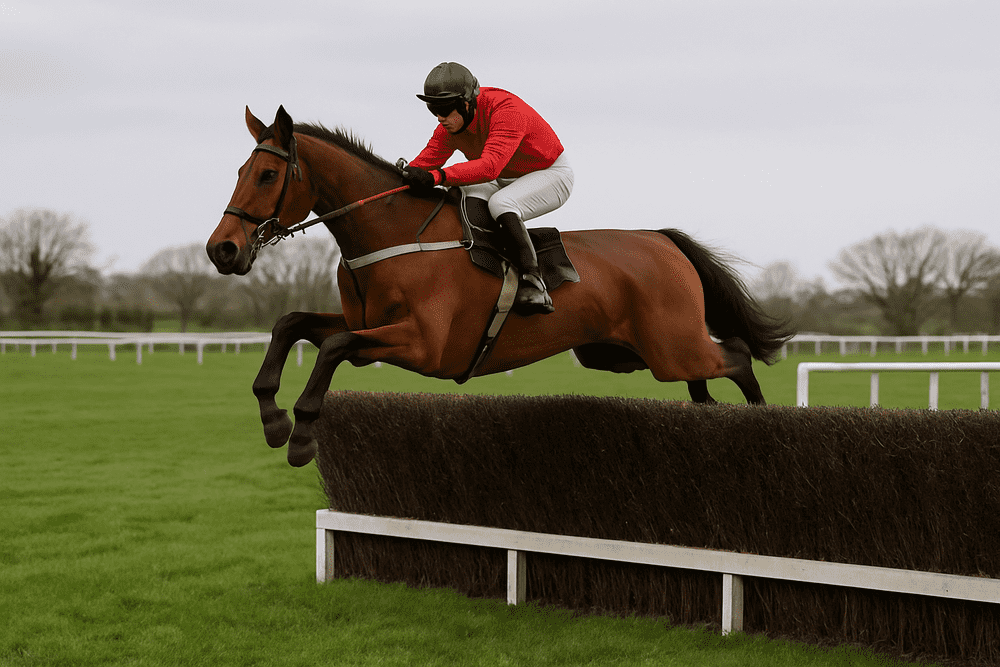
Saint Clovis — the bumper bully with a natural front-running engine
Some bumper horses try to settle. Saint Clovis simply refuses — which is exactly why he’s one of the most interesting front-running horses to follow this season. His Listed win at Cheltenham in mid-November was a perfect example of a young horse dictating a race from the front: he made all, controlled the early pace, kicked again turning for home and put the race to bed with authority.
What impressed me most wasn’t just the margin — it was the confidence. You rarely see bumper horses dominate like that at Prestbury Park unless they have a serious engine and a temperament built for front-running tactics.
And it wasn’t an isolated moment. He’d shown the same attitude in Ireland: travel, control, go again. Give him a soft lead and he can turn an ordinary novice bumper into a one-horse time trial.
Where he’s dangerous:
- Big, galloping tracks where rhythm is everything
- Good to soft ground
- Small/medium fields with no obvious early-pace challengers
Where I’d be cautious:
- Deep, stamina-draining ground
- Tactical races at Leopardstown or the Festival where others may force him to take a lead
For a young bumper horse, there’s zero doubt about his preferred style: he wants to get to the front and stay there — and I respect that.
Casheldale Lad — the Down Royal enforcer with a rock-solid front-running style
If Saint Clovis is the young disruptor, then Casheldale Lad is the fully licensed sergeant major of this list — a hurdler who has turned front-running tactics into an art form. His win in the bottlegreen Hurdle at Down Royal wasn’t a lucky break or a soft lead; he made all, jumped sharply and kept finding when the field tried to close. That’s exactly what you want to see from a proven front-runner in a valuable conditions race.
What I like about him is how uncomplicated he is. He doesn’t need cover, he doesn’t need help, he doesn’t need things to fall perfectly. He just wants to get on with it. And in Ireland — where aggressively ridden hurdlers often prosper — that’s a significant asset.
Strengths:
- Travels strongly when allowed to dictate the early pace
- Proper hurdling technique even under pressure
- Handles undulating tracks and long straights particularly well
Watch-outs:
- Big fields with several pace angles can neutralise his advantage
- Extremes of ground (very fast or deep heavy) reduce his impact
Whenever Casheldale Lad appears in a 2m–2m2f race with a small or medium field and no obvious rivals insisting on the lead, I’m rarely tempted to oppose him. Some horses follow pace; this one creates it.
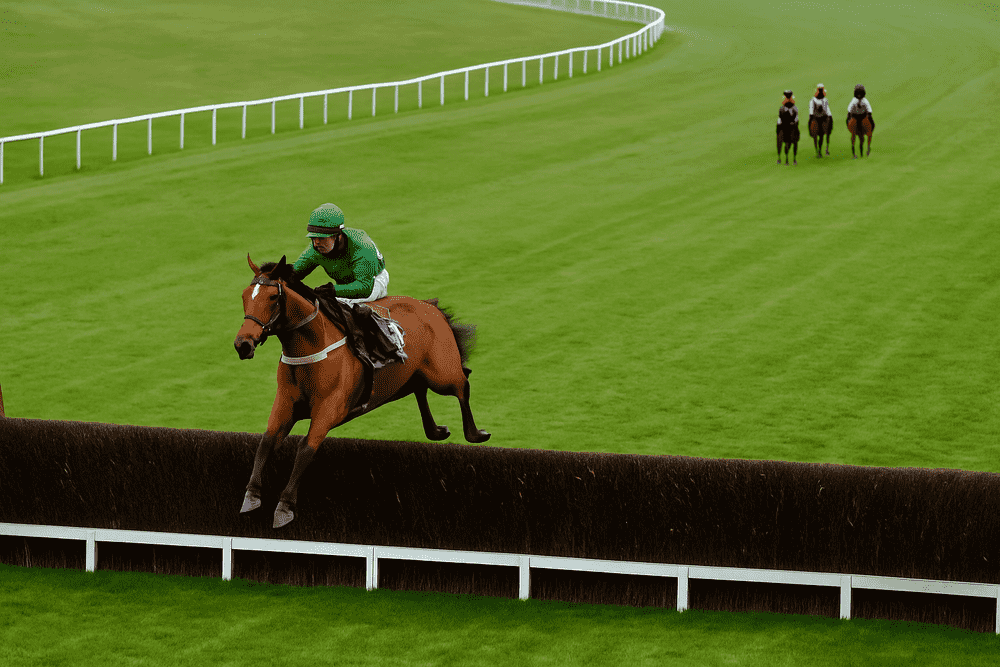
Good Friday Fairy — the Exeter specialist with a reliable front-running profile
Exeter has always been one of those tracks where front-running horses look even better than usual: big fences, long straights and a rhythm that rewards any runner able to dictate the early pace. Good Friday Fairy is exactly that type — a natural, confident front-runner who seems happiest when he can bowl along without interference.
His recent win in the Pencarrie Derby Handicap Chase was textbook: he made all, stretched the field turning for home and still had enough in the tank to jump the last with something to spare. Performances like that around Exeter usually tell you one of two things: either the field seriously underestimated him, or he’s simply the sort of horse who becomes very hard to reel in once he finds his rhythm.
With Good Friday Fairy, I’m absolutely leaning toward the second. His front-running style isn’t a gimmick — it’s a strength.
GGreat spots for him:
- Exeter (arguably his ideal playground)
- Ascot or Sandown handicaps where pace control matters
- 2m3f–2m5f on good to soft ground
Less ideal:
- Big-field chases with multiple pace angles competing for the lead
In regular handicaps this winter, he’s firmly on my shortlist of “could easily make all again” horses — the kind punters ignore at their peril.
Jasmine D’Airy — the mare who makes front-running look like a comfort zone
Some horses force you to guess their intentions. Jasmine D’Airy does the exact opposite, which is why she’s such an interesting addition to any list of front-running horses. Her preferred style is crystal clear: if she gets to the front, she jumps better, relaxes into her rhythm and finishes far more strongly. If she doesn’t… well, the magic fades a little.
Her wins at Plumpton and Uttoxeter followed an almost identical script — push forward early, control the pace, and keep applying pressure. Nothing flashy, nothing complicated, but extremely effective. That reliability is one of the most underrated strengths a front-running mare can have, especially in novice or mares-only company.
She also seems particularly comfortable in races where the early gallop isn’t too aggressive, giving her space to find that smooth, forward-going rhythm she thrives on.
WWhere she thrives:
- Tight, straightforward tracks where early position matters
- Smaller fields with limited competition for the lead
- Softish ground that blunts late closers
Potential issues:
- Being hassled for the lead by multiple pacey types
- Larger fields where she’s forced to take a sit and lose her natural rhythm
Given her profile and recent form, I wouldn’t be surprised if she picks up another mares’ race or novice event this winter — as long as she’s allowed to do what she enjoys most: dictate the early pace.
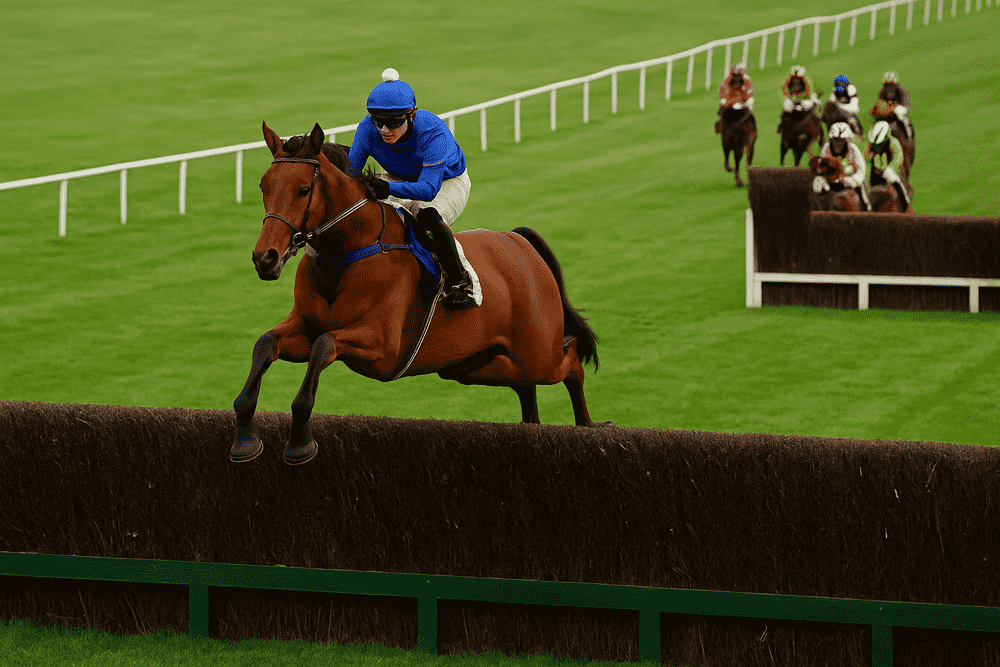
Westport Cove — the Closutton two-miler with a fearless front-running mindset
Willie Mullins trains so many good horses that it’s easy to lose track of individuals — but Westport Cove is one you definitely shouldn’t forget. He’s one of the most naturally aggressive front-running horses in this division, a two-mile chaser who doesn’t just enjoy being in front… he seems to grow another gear when he’s allowed to dictate.
He’s already shown he can make all in a Grade 1, which is never an accident in Ireland, and his run in the recent Craddockstown (G2) was the kind of effort I love to see from a true front-runner: he led, was passed, and still fought back. That’s not just pace — that’s attitude.
Westport Cove isn’t dependent on a soft lead, but he’s clearly happiest when he can control the early pace over two miles, especially in softish ground where stamina becomes a weapon rather than a question mark. He’s the type who can crack a favourite mentally if they miss a fence or fail to travel early.
Positive angles:
- Irish two-mile chases where early pace is crucial
- Smaller or medium-sized fields
- Soft ground that turns the race into a stamina test
Concerns:
- Hot tactical Grade 1s with several pacey rivals attacking from the start
But given his profile and the way he rides a race, Westport Cove remains one of the most dangerous pace-setters in the 2m novice chasing scene this season.
Eldorado Allen — the veteran chaser who still lives for a front-running battle
Every jumps fan has a soft spot for the front-running veteran who knows his craft inside out, and Eldorado Allen is exactly that type. He might not be fashionable anymore, but when he gets to the front, he still knows how to dictate a race better than most younger rivals.
His win at the Cheltenham November Meeting said it all: he made every yard, jumped with the confidence of a horse who has seen every situation before, and piled pressure on the youngsters long before things got serious. It was exactly the kind of performance that reminds you why veteran chasers with a front-running style can be so dangerous when the conditions fall right.
These older, experienced types tend to get underestimated because the hype is always around the next big thing. But give Eldorado Allen a veterans’ chase, a sensible early rhythm and ground that isn’t bottomless, and he suddenly looks ten pounds better than his official rating.
Best scenarios:
- Veterans’ chases where experience and pace control matter
- Good to soft around Cheltenham or Newbury
- Fields of 6–10 runners where he can dominate early
If he gets rolling early, younger horses often find out the hard way that chasing a seasoned front-running chaser up the Cheltenham hill is an entirely different sport — and not one they always enjoy.

Kalif Du Berlais — the rising star with a seriously classy front-running profile
And finally, the classy one — the horse on this list who looks most likely to turn his front-running style into something genuinely high-level. Kalif Du Berlais might be the most naturally gifted runner here, and the scary part is that he’s only just beginning his career as a chaser.
His Grade 1 win in the Maghull Novices’ Chase summed him up perfectly: he made all, jumped like a horse who already understands the job, and travelled through the race as if he owned it. When a Paul Nicholls horse is allowed to bowl along in front, it’s never by accident. Kalif is built for front-running tactics — big stride, bold jump, and the confidence to stretch a field when it suits.
Where he’s exciting:
- Small-field spring Grade 1s where rhythm and early pace matter
- Flat, fast tracks like Aintree that reward accurate jumping
- Races where he can control the fractions and pour it on from halfway
Challenges:
- Deep midwinter ground that blunts his natural speed
- Tactical duels with other high-class front-runners
From a pure ability standpoint, he’s the one I could most easily imagine turning into a genuine Festival contender — especially if he gets the chance to dictate the early pace against fields that won’t pressure him from flagfall.
Final thoughts: not gospel — just a friendly invite to talk front-runners
This list isn’t definitive, and it’s definitely not a betting system. I’m not claiming these front-running horses will win every time they go forward — or that they should lead every time. Front-running is part tactic, part temperament and part circumstance, and half the fun is seeing how those elements come together on the day.
What I am saying is simple: these seven have already shown clear intent and real effectiveness when they’re allowed to dictate the early pace. If they get the right track, the right ground and a field that doesn’t hassle them for the lead, they’re exactly the type who can turn a race upside down before most punters have realised what’s happening.
And if you want to keep track of the major fixtures and see where these horses might appear over the coming months, you can take a look at my full 2025/26 National Hunt Calendar.
So next time you’re scrolling through the declarations at 10 p.m. with a cup of tea (or something stronger — absolutely no judgement here) and you see one of these names in a small field with no obvious pace rival… that’s when the front-running angle gets interesting.
And if you’ve got your own shortlist — the reliable ones, the chaotic ones, the “never again… oh go on then” types — feel free to share them. Inside The Paddock is supposed to be a place for that kind of debate, not a lecture.




Leave a Reply