
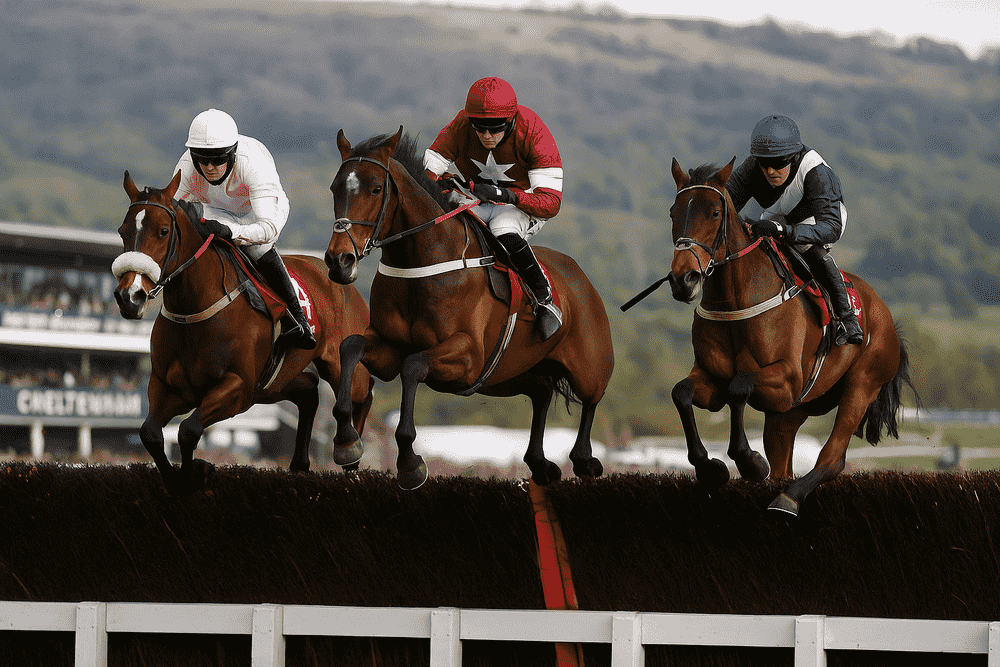
If you’re already thinking ahead to Cheltenham 2026, you’re not alone. Every new jumps season gives us early clues about the trainers to follow for Cheltenham 2026, and this year is no different. As the autumn campaigns unfold, certain yards are already showing signs that they could shape the story of the Festival when March arrives.
This guide is simply my personal look at who’s catching my eye so far — not a lecture, just my own notes as the 2025/26 season develops. I’ll highlight the trainers building momentum, the horses making statements, and the patterns that matter most on the long road to the Cheltenham Festival.
If you like checking early-season form and entries as the season develops, the Racing Post’s Cheltenham section is always a reliable place to keep track of what’s coming through.
Willie Mullins: a key trainer to follow for Cheltenham 2026
When I start thinking about the trainers to follow for Cheltenham 2026, I always promise myself I’ll stay open-minded, look at every yard, judge early-season form fairly… and then, without fail, I end up staring at Willie Mullins’ team before anyone else even enters the conversation. It’s not bias — it’s simply the reality of analysing the Cheltenham Festival landscape. Mullins isn’t just dominant; he’s consistently predictable in how he builds a squad for March, and that’s exactly what makes him so fascinating for punters and racing fans.
Right now, in late November 2025, the Closutton operation looks exactly as you’d expect for a trainer preparing another strong Cheltenham challenge: deep, organised, forward, and already firing in winners at a rate most yards would dream of maintaining through the whole winter.
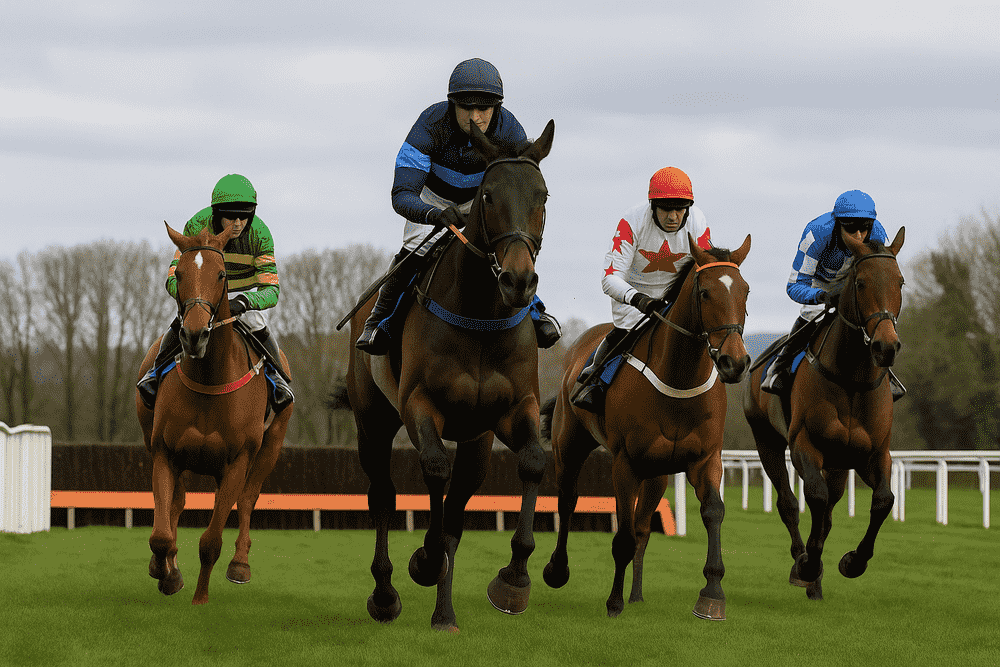
What stands out about Mullins this season
A few early-season clues make Mullins especially important to monitor on the road to Cheltenham 2026:
- His horses look fitter earlier than usual, with even second-tier prospects finishing like they’ve already had two educational gallops more than the opposition.
- His group of second-season chasers looks particularly strong, and that’s typically where Mullins does serious damage at the Festival.
- His juveniles and five-year-olds look sharper than last year, which often hints at which yards will dominate the novice divisions come March.
These aren’t small details — they’re the kind of early-season signals that usually translate into Festival results.
Horses I’m following closely
Ballyburn
I try not to get carried away too early in the season, but Ballyburn genuinely looks like one of Mullins’ flagship horses for the 2025/26 campaign — and one of the reasons he remains at the top of my list of trainers to follow for Cheltenham 2026. His transition to fences last season was almost absurdly smooth: that dominant beginners’ chase win at Punchestown, followed by a polished Grade 1 victory at Leopardstown, showed exactly the kind of power, balance and control that marks out a future Festival contender. Even his runs in the Brown Advisory and at Punchestown in the spring confirmed he’s a proper staying chaser with gears.
Now that he’s no longer a novice, his potential Cheltenham 2026 targets shift into the championship sphere. Whether he shapes into a Ryanair Chase horse or starts nudging his way into the Gold Cup picture will depend on how much more physical improvement he shows through the winter. But the progression he made from spring to autumn last season was exactly the type you see in top-class Mullins chasers. If he keeps trending the same way, he’s going to matter — and quite possibly matter a lot — when March rolls around.
Storm Heart
Storm Heart is one of those classy juveniles from last season who still holds my interest as I look at the trainers to follow for Cheltenham 2026. He didn’t run in the Triumph, but his fifth in the Grade 1 juvenile at Cheltenham and his fourth at Punchestown showed there’s plenty of raw talent there.
What encouraged me most, though, was his seasonal return at Leopardstown in early February, where he finished a close second off a high mark and travelled like a horse who has strengthened physically and mentally. He jumps well, he handles soft ground, and he still looks like he has improvement to come now that he’s a five-year-old. Whether he ends up in a big handicap or a slightly more ambitious graded route, he’s the type whose form tends to tighten through winter — which is usually where Mullins begins to separate the real Festival horses from the rest.
Majborough
Majborough is the kind of horse who makes analysing the trainers to follow for Cheltenham 2026 a lot more interesting. He was a high-class juvenile last season, but the way he jumped and travelled through his early chase runs this term has convinced me he might be even better over fences. His performances at Fairyhouse, Leopardstown and Cheltenham last season showed both speed and control, and his Punchestown Grade 1 win in May — where he absolutely cruised through the race and put it to bed in a matter of strides — was one of the most polished novice chase displays of the spring.
What strikes me about Majborough now is how naturally he has taken to the 2-mile chasing division. He’s sharp, neat at his fences, and has that effortless cruising speed that you almost always see in future Championship horses. Whether he develops into an Arkle-type or eventually steps into the Champion Chase picture will depend on how much more he strengthens through the winter, but everything he has shown so far suggests he’s a genuine Grade 1 prospect. If he keeps improving, he could easily be one of Mullins’ most important runners by the time March arrives.
Why Mullins is always central to the Cheltenham 2026 picture
- Depth in every category. While most yards have two or three standout hopes, Mullins typically has ten or more genuine Festival players.
- Perfectly-timed pathways. His approach from December through February is as close to scientific as National Hunt racing gets.
- Ground versatility. Good, soft, heavy, drying — he always has horses suited to whatever the Cheltenham Festival throws at us.
- Unmatched big-day experience. Handling the pressure of Cheltenham is something Mullins has mastered more than anyone in the modern era.
But even Mullins has a few caveats
No yard is flawless, and Closutton has its quirks:
- Multiple entries in the same race add confusion. Finding the “right” Mullins horse is sometimes guesswork.
- Early-season monsters sometimes peak too soon. I’ve learned not to fall in love with those November steamrollers against weak fields.
- Operating with 150+ high-level horses means the occasional one slips under the radar, not by mismanagement but by sheer mathematical reality.
Still, if you told me I could only follow one trainer on the road to Cheltenham 2026, it would be Willie Mullins — not because he always wins, but because he always provides the clearest, most reliable clues throughout the season.
Here is Willie Mullins’ horses-to-follow guide for the 2025/26 jumps season.
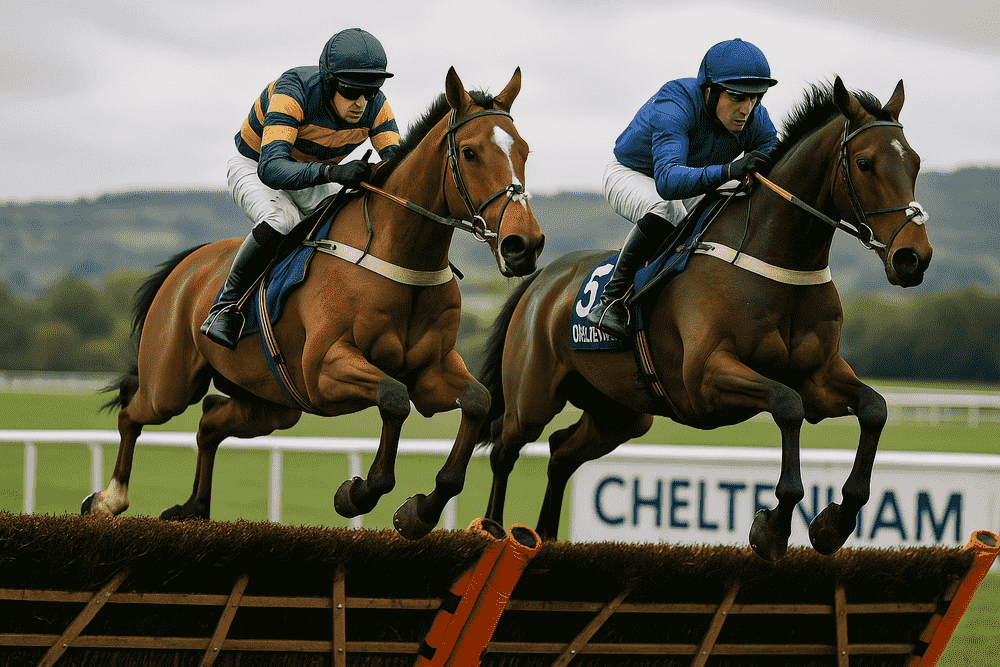
Gordon Elliott: a trainer quietly building momentum for Cheltenham 2026
When I look at trainers to follow for Cheltenham 2026, Gordon Elliott is always one of the first names I highlight in my notebook. Not because he shouts the loudest or dominates every weekend card, but because he has a habit of building momentum steadily, quietly, and with more depth than people realise until March arrives. Every season there comes a point where Elliott’s yard begins to look dangerous — and this year, that moment might be arriving earlier than usual.
Right now, in late November 2025, his runners are turning up fit, focused and sharper than they were at this stage last season. That alone makes him a trainer to watch closely on the road to the Cheltenham Festival.
What stands out from Elliott this season
A few early-season signals make Elliott particularly interesting for Cheltenham 2026:
- His yard is in strong forward form, with a high strike-rate and many horses improving from run to run — always a positive sign in November and December.
- He appears to be favouring a quality-over-quantity approach, streamlining his Cheltenham team rather than spreading entries thinly.
- Several of his horses look physically stronger and mentally sharper than last season, which is exactly what you want from potential Festival types.
Elliott teams often grow into the season, and the early signs suggest that pattern could repeat again this year.
Horses I’m watching closely
Here are three from his 2025/26 roster that raise a flag for me.
Brighterdaysahead
Brighterdaysahead is one of the main reasons Gordon Elliott stays firmly on my list of trainers to follow for Cheltenham 2026. She may not have delivered her very best in the Mares’ Hurdle last March, but everything she showed either side of Cheltenham suggests she’s still one of the most talented hurdlers in Ireland. Her performances at Punchestown and Leopardstown last season — especially that 30-length demolition job over 2 miles and her gritty win against State Man in November — were the kind of efforts that only genuinely top-class mares can produce.
She returned to action at Punchestown in May with a solid third, and even though she didn’t quite recapture that mid-winter brilliance, she travelled like a mare who will strengthen again for another season. She’s sharp, consistent, and has the tactical speed to handle Championship-level races. Everything Elliott has said about her points towards another campaign built around the Mares’ Hurdle, and if she turns up in the same shape she showed last December, she’ll be a major player when March arrives.
Found A Fifty
Found A Fifty is one of the runners who genuinely strengthens Gordon Elliott’s case on any shortlist of trainers to follow for Cheltenham 2026. Now eight and firmly established as a top-class two-mile chaser, he has produced some of the most reliable graded form in Ireland over the past twelve months. His win in the Grade 2 Navan Chase in November 2025, where he pulled clear with authority and posted an RPR of 167, confirmed that he has moved beyond the “handicap dark horse” label he once carried. Even his fourth in the Grade 1 Champion Chase trial at Down Royal showed maturity: he travelled strongly, jumped cleanly and stayed on behind Envoi Allen over a trip slightly beyond his optimum.
He wasn’t quite at his sharpest when finishing fifth in the Arkle at Cheltenham 2025, but everything since suggests he has strengthened again and now looks every inch a proper Championship contender. His blend of pace, accuracy and toughness makes him a natural for the Queen Mother Champion Chase, and if Elliott keeps him fresh through the winter — as he usually does with his best two-mile types — he’ll be arriving at the Festival with one of the strongest profiles in the division.
Western Fold
Western Fold has quietly transformed himself into one of the most interesting Elliott horses to monitor on any shortlist of trainers to follow for Cheltenham 2026. What began last spring as the profile of a promising, lightly raced chaser has now sharpened into something far more serious. His rise through the 2025 season — from winning a valuable handicap at Galway, to dismantling a G2 field at Gowran Park, and then finishing a strong third in the Grade 1 Champion Chase at Down Royal — paints the picture of a horse improving at a rate you simply can’t ignore.
What stands out most is how cleanly he now jumps at pace. Earlier in his career, he could be a touch raw and occasionally untidy, but the last five runs tell a very different story: fluent, balanced, and increasingly confident over fences. He stays well up to 3 miles but still has the tactical speed for 2m4f, which opens up two credible Cheltenham Festival paths — the Ryanair Chase or even an adventurous tilt at the Gold Cup if the yard feels he continues progressing through the winter.
Elliott excels with horses who climb the ladder piece by piece, and Western Fold fits that mould almost perfectly. If he keeps improving at the same rate into January and February, he’ll head to Cheltenham 2026 as one of those runners who arrives with momentum, confidence and the kind of battle-hardened profile that often wins big Festival races.
Why Elliott might be undervalued heading to Cheltenham 2026
- He isn’t as high-profile as Mullins, which often means his runners are less overbet and offer better value.
- He has a proven track record with novice chasers and Festival handicappers, two categories that regularly produce winners.
- His yard is extremely familiar with Cheltenham routines, travel, timing, and race selection.
- He usually peaks in February, which aligns perfectly with shaping a strong Festival team.
- Elliott doesn’t need a huge Cheltenham team — he just needs the right one.
What to keep in mind
Even with all the positives, there are a couple of things to watch carefully:
- Some of his novices still need to tighten their jumping, and Cheltenham fences won’t forgive hesitation.
- Early-season form can be misleading, as Elliott often builds his horses gradually and saves their best progress for late winter.
- When he sends multiple runners to the same race, picking the right one can get tricky from a betting perspective.
But overall, Elliott’s early-season signals are stronger than last year, and that makes him one of the trainers to follow closely as the countdown to Cheltenham 2026 begins.
Here is Gordon Elliott’s horses-to-follow guide for the 2025/26 jumps season.
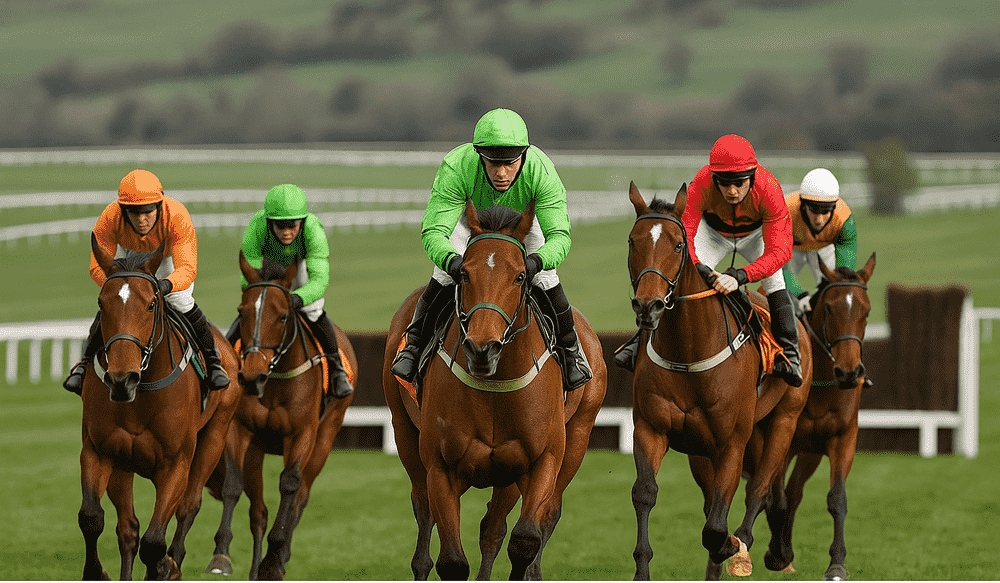
Paul Nicholls: a tactical trainer to follow for Cheltenham 2026
Whenever I analyse trainers to follow for Cheltenham 2026, I have to remind myself not to judge Paul Nicholls too early. His yard moves to its own rhythm, one that rarely peaks in autumn but often builds steadily through winter until suddenly — usually in late January — everything clicks into place. When that rhythm arrives, Nicholls becomes one of the most dangerous trainers in Britain.
This season (2025/26), though, he looks slightly more forward than usual, and that alone makes me pay closer attention. His horses are finishing their races strongly, the schooling looks sharper, and the staying chaser division at Ditcheat appears deeper than it was twelve months ago. It’s exactly the type of early-season profile that often leads to a meaningful Cheltenham Festival presence.
What stands out from Nicholls this season
- His novice chasers look more mature than in recent seasons. The rawness that held some of them back early last year seems much reduced.
- Fitness levels are encouraging, with several horses looking straighter on their reappearance runs.
- He has a stronger group of stayers, which is crucial because Cheltenham always rewards proven stamina.
- He brings a small but precise team, preferring seven or eight live contenders over huge numbers.
Nicholls doesn’t flood the Festival with entries — he targets it with intent.
Horses I’m following closely from the Nicholls yard
Captain Teague
Captain Teague is exactly the kind of horse who makes following Paul Nicholls interesting at this time of year — and one of the reasons he still deserves a place on any shortlist of trainers to follow for Cheltenham 2026. He’s never been the flashiest prospect in the yard, but he has always been tough, genuine and extremely straightforward to ride, which often counts for plenty once spring arrives. His novice hurdle season was solid, highlighted by a strong Grade 1 win at Newbury in December 2023 and a credible second to Minella Missile earlier that autumn. Things went a bit sideways at Cheltenham in March 2024, but the subsequent wind surgery and a patient approach from the yard seemed to reset him completely.
His switch to chasing last season wasn’t explosive, but it didn’t need to be. He made a tidy winning debut at Exeter over 3 miles and then ran a decent race in a Grade 2 novices’ chase at Newbury, only losing touch late on behind a very sharp winner. There’s still polishing to do — especially in the middle part of his races — but the raw materials are all there: stamina, heart and that stubborn Nicholls-trained relentlessness that has produced so many staying chasers over the years. If he continues to strengthen after a clean run of training this winter, a return to Cheltenham over a longer trip, perhaps in a staying novices’ chase or a deep handicap, feels like a realistic — and quietly interesting — Festival target.
Stay Away Fay
Stay Away Fay is a difficult horse to pin down — and that’s exactly why Paul Nicholls still deserves a mention among the trainers to follow for Cheltenham 2026. On his day, he looks every inch the top-level staying chaser we all thought he might become after winning the Albert Bartlett in 2023. But since then, his career has unfolded in sharp peaks and equally sharp valleys: moments of genuine class followed by long spells where he simply hasn’t fired. A pair of early-season novice chase wins in late 2023 set expectations sky-high, only for his form to taper off through 2024 and into the early part of 2025.
Last season didn’t make things much clearer. He was pulled up in the Grand National after never travelling with any fluency, and before that he finished well beaten in a big Cheltenham handicap in March. To his credit, he still jumps well when he’s in rhythm, and there’s no question he stays extreme distances. But between the wind surgeries, the lengthy breaks, and the inconsistent finishing effort, it feels like Nicholls is still trying to solve a puzzle with two or three missing pieces.
That said, I’ve learned over the years not to write off one of Nicholls’ staying chasers too early. A clean winter, a confidence-boosting early-season run, and suddenly he could look like a spring horse again — the type who sneaks into the Ultima or the Kim Muir with a profile that looks much more interesting than his bare form suggests. He’s not a headline pick, but he’s not out of the Cheltenham conversation either. With Nicholls, these types have a habit of reappearing right when you’ve stopped expecting them to.
Kalif Du Berlais
Kalif Du Berlais is the type of prospect that sharpens the focus when I’m jotting down trainers to follow for Cheltenham 2026. A five-year-old now under Nicholls’ care, he was already showing Grade 1-type form over hurdles and the stepping into chasing seems timed precisely for the major spring targets. He was described by Nicholls himself as having “physically come on” and the plan appears to be to target the top two-mile chases before stretching out. If he maintains that progression, he could be a serious contender for the Cheltenham Festival’s marquee events.
Why Nicholls remains a major factor for Cheltenham 2026
- He targets the right races, using precision rather than volume.
- His schooling is among the best, particularly for novice chasers.
- He hits peak form at the right time, usually between late January and the end of February.
- He refuses to send horses to Cheltenham unless he believes they have a genuine chance.
- All of this makes Ditcheat one of the most reliable yards to study ahead of the Cheltenham Festival.
What to keep in mind with Nicholls
Even with all the positives, there are a few elements to watch carefully:
- Ground sensitivity — some of his better horses want good-to-soft, not deep winter ground.
- Limited top-tier firepower compared to Mullins or Elliott.
- His novice hurdlers sometimes lack the raw speed needed for Grade 1 success, though they often develop into top-class chasers the following year.
Still, year after year, Nicholls finds a way to deliver meaningful Cheltenham performances. And with this season’s early signs, he looks firmly on the list of trainers to follow for Cheltenham 2026.ly trained for what matters: Cheltenham, stamina, schooling, timing, and efficiency.
Here is Paul Nicholls’ horses-to-follow guide for the 2025/26 jumps season.
Nicky Henderson: a trainer who can still shape Cheltenham 2026 when the rhythm is right
Whenever I analyse trainers to follow for Cheltenham 2026, Nicky Henderson is the one who always makes me pause. Not because he dominates every season, but because when his yard is in rhythm — genuinely in rhythm — he becomes one of the most effective Cheltenham trainers of the modern era. When he’s not, you feel it immediately. That unpredictability is exactly what makes following Henderson’s yard so interesting on the road to the Festival.
This season (2025/26), the early signs are more encouraging than they’ve been for a while. No yard viruses dominating headlines, no stop-start rhythm, no long stretches of uncertainty. Instead, we’re seeing cleaner reappearances, stronger physical development, and a clearer early-season picture emerging from Seven Barrows.
What stands out from Henderson this season
- More polished early-season runs, with fewer horses needing two or three races to find fitness.
- Novice hurdlers showing sharper minds, which has been a weak spot in recent years.
- A steadily rising strike-rate, suggesting the training regime is hitting the right balance.
- A small but genuine cluster of Grade 1 prospects — something that wasn’t guaranteed last season.
When Henderson has a healthy, confident yard heading into winter, Cheltenham results tend to follow.
Horses I’m watching closely from Seven Barrows
Sir Gino
There aren’t many horses in training who generate instant debate the moment their name appears on a racecard, but Sir Gino is absolutely one of them — and a major reason why Nicky Henderson still deserves a place among the trainers to follow for Cheltenham 2026. Unbeaten since arriving from France, he has produced a sequence of performances that mix raw speed with a frightening level of control. His juvenile season was flawless, and the way he dismissed good fields in the Grade 2 at Cheltenham and the Grade 1 at Aintree marked him as a potential superstar long before he jumped a fence.
The big question, naturally, was whether he would retain that dominance as a chaser — and his answer at Kempton last December was emphatic. Beating Ballyburn (a top-class Mullins prospect) by seven and a half lengths on debut was the sort of statement we rarely see from a novice. He backed that up again with command at Newcastle in the Fighting Fifth, confirming that the engine is just as strong now as it was over hurdles. What I like most is how relaxed he is: no fuss, no flash, just smooth jumping and race-winning acceleration whenever the jockey nudges him.
Of course, everything with Henderson’s horses comes with the usual spring caveat: soundness, timing and fluency in the build-up matter more than anything. But if Sir Gino gets his preparation without disruption, he’s the closest thing the yard has had to a Festival banker in years. Whether he ends up in the Arkle or a more ambitious two-mile Grade 1 route, he’s going to be one of the talking points of March — and possibly one of the defining horses of the season.
Iberico Lord
I’ve become a big fan of Iberico Lord over the last couple of seasons, and even though his seasonal reappearance at Cheltenham in mid-November didn’t go quite as smoothly as I’d hoped, I’m not reading too much into it. He travelled well for a long way before getting tired late on — the kind of run that usually brings Henderson horses forward. He’s still a versatile, tactical type with plenty of upside once the yard tightens the screws through December and January. Wherever he ends up at the Festival, he’ll remain firmly on my shortlist.
Jango Baie
Jango Baie is turning into one of those horses who quietly shift from “interesting novice” to “serious Festival player,” and his recent win in the Grade 2 Berkshire Chase at Ascot confirms that he’s moved forward again after his wind surgery in October. He jumped with far more fluency than he did in the spring and showed a strong turn of foot to put the race to bed quickly, finishing nine lengths ahead of a talented Gidleigh Park. Performances like that are exactly why Nicky Henderson remains high on any list of trainers to follow for Cheltenham 2026 — he’s excellent at bringing these athletic, scopey types along steadily until they peak right when it matters.
What I like most about Jango Baie is how adaptable he’s proven already: a Grade 1 winner over two miles at Cheltenham in March, a close second over 2m4f at Sandown, and now an emphatic winner at 2m5f. That sort of flexibility gives Henderson options, and I wouldn’t be surprised if they eventually settle on a Marsh/RSA-style 2m4f–2m5f Cheltenham target. If he stays sound and keeps improving at this rate, he’s going to show up in March with one of the strongest novice profiles in the division.
Why Henderson remains a key trainer to follow for Cheltenham 2026
- Elite preparation skills, especially with hurdlers.
- Horses that settle well, a trait that pays dividends at the Festival where pace can be fierce.
- A long history of peaking horses in March, even after messy winters.
- One of the best Cheltenham strike-rates of any modern British trainer.
When he has a clean, virus-free season and his novice division looks strong, Henderson becomes extremely dangerous.
What to keep in mind with Henderson
Even with the positives, there are still a few things I’m watching carefully:
- Health and yard form — after the issues in recent seasons, punters will want reassurance his team stays consistent.
- Limited depth compared to Mullins, meaning one setback can weaken the squad noticeably.
- Occasional over-caution, which sometimes results in top horses arriving at Cheltenham without the ideal prep.
But this year feels different. If Sir Gino, Iberico Lord and Jango Baie all stay sound and on track, Henderson goes into Cheltenham 2026 with his strongest hand in several seasons — and that alone makes him one of the trainers to follow closely.
Here is Nicky Henderson’s horses-to-follow guide for the 2025/26 jumps season.
Dan Skelton: a spring specialist to follow closely for Cheltenham 2026
When I think about trainers to follow for Cheltenham 2026, Dan Skelton is always high on my list — not because he makes noise early in the season, but because he times his horses better than almost anyone. Every year, people forget about him in November, overlook him in December, and then suddenly wonder how he’s winning races in March with horses that looked “ordinary” three months earlier.
Skelton doesn’t train for autumn headlines. He trains for spring results. And that makes him one of the most interesting trainers to track on the road to the Cheltenham Festival.
This season (2025/26), the early signs are even stronger than usual. His horses are running well without being fully tuned, his hurdlers look physically improved, and his handicappers are shaping like the typical Skelton types who explode in late winter.
What stands out from Skelton this season
- Early-season form is sharper, but without losing his trademark pattern of improvement towards February and March.
- Several hurdlers look stronger and more mature, especially the ones who were still developing last year.
- Handicappers are running tidy, economical races, the kind that build confidence without using too much petrol.
- The yard’s confidence is clearly high, and Skelton only sounds this positive when the horses are genuinely thriving.
For punters who like spotting long-term clues, Skelton’s stable is always a goldmine.
Horses I’m following closely from the Skelton yard
Protektorat
Protektorat has been around long enough that you think you know exactly who he is — and then he goes and reminds you there’s still plenty of fire left in him. His return in the Class 1 Handicap Chase at Cheltenham in November 2025, carrying top weight and finishing a close third, was the clearest sign yet that Dan Skelton continues to manage him brilliantly. That’s why Skelton remains firmly on the shortlist of trainers to follow for Cheltenham 2026: he knows how to freshen these experienced Grade 1 horses and target the right races at the right time. Protektorat still moves like a horse with enthusiasm for the job, and his form over the last two seasons — including placed efforts behind Jonbon, Fact To File and Royale Pagaille — shows he’s far from finished at the top level.
At this stage of his career, choosing the right Festival target matters more than ever. He has enough pace for the Ryanair, enough stamina for the Gold Cup, and enough class to run well in either. The November run suggests he still stays strongly and jumps with his old confidence, so another tilt at the Gold Cup shouldn’t surprise anyone, especially if he gets soft ground. He’s not the new kid on the block anymore, but he brings something the younger horses don’t: battle-hardened experience, proven Festival form, and the ability to turn up on the day and run to the mid-160s. With Skelton’s trademark patient preparation, he’ll head into Cheltenham 2026 as one of the most reliable veterans in training.
L’Eau du Sud
L’Eau du Sud has developed into one of Dan Skelton’s most reliable two-mile chasers, and his demolition job in the Grade 2 Cheltenham Chase in November 2025, where he put fifteen lengths into Jonbon, might be the strongest single performance of his career. It capped off a superb twelve-month stretch that included Grade 1 placings at Aintree and Cheltenham, plus authoritative wins at Sandown, Warwick and Cheltenham as a novice. He’s slick at his fences, travels powerfully and seems to have found his stride after the early stop-start phases of his career. It’s easy to see why Skelton earns a place on the list of trainers to follow for Cheltenham 2026 when he’s able to bring horses like this through the ranks so consistently.
His Festival target looks straightforward: he’s shaping like a natural Champion Chase contender. He has the tactical speed, the accuracy in the air, and the temperament to handle a strongly-run race around Cheltenham. The form behind Jango Baie and Kalif du Berlais earlier in the season has aged well, and his latest RPR of 170 proves he’s improving again now that he’s fully matured. If he holds this level through the winter, he’ll arrive in March as one of the most progressive two-mile chasers in Britain — and absolutely a horse you want on your radar.
Langer Dan
Langer Dan remains the blueprint of a Dan Skelton handicap project — a battle-hardened, tactically smart horse who always finds his peak in the spring. His record speaks for itself: a Coral Cup winner, multiple strong Festival performances and a long history of improving sharply between January and March. His 2025 runs were below his best, but completely in line with his long-established pattern: quiet through the winter, sharper when the tempo lifts, and most dangerous when given a clean prep. With an official rating that has fluctuated between the mid-140s and 160 in recent seasons, he still embodies exactly the type of horse that makes Skelton one of the most interesting trainers to follow for Cheltenham 2026 in the handicap division.
Now nine years old, Langer Dan is no mystery — and that’s part of his strength. He needs a strong pace, sensible ground, and a smooth tactical setup to deliver his best, but when he gets those conditions he remains incredibly effective. His latest appearances at Wetherby and Newbury show he still retains competitiveness, and if the yard follows its usual rhythm — gentle early-season campaigns, sharper targets from late January onward — he’ll head to Cheltenham once again as a live contender in any handicap from 2m4f to 3m. As long as he holds his mark and stays sound, he remains a horse you simply can’t ignore in Festival handicaps.
Why Skelton is a key trainer to follow for Cheltenham 2026
- He places horses extremely well, rarely wasting a run.
- His improvement curve always points to March, not October.
- He has a superb Festival handicap record, especially with hurdlers.
- His squad is smaller but more focused, making analysis clearer for punters.
Skelton might not have the depth of Mullins or Elliott, but he consistently turns a handful of horses into major Festival players every year.
What to keep in mind with Skelton
A few notes of caution:
- Top-tier Grade 1 firepower is limited compared to the biggest yards.
- Good ground can be important, and Cheltenham weather isn’t always kind.
- He often runs lightly before the Festival, which means it can be tricky to judge exactly where each horse stands by February.
Still, this feels like a deeper Skelton team than usual — not the biggest, but certainly one that will matter. When the entries come out in February, don’t be surprised if several of his names jump straight into the Cheltenham conversation.
Here is Dan Skelton’s horses-to-follow guide for the 2025/26 jumps season.
The smaller yards that always matter on the road to Cheltenham 2026
One thing I love about analysing trainers to follow for Cheltenham 2026 is that the Festival never becomes a closed shop. Yes, the big names will dominate the headlines — Mullins, Elliott, Nicholls, Henderson, Skelton — but every year a so-called “smaller yard” turns up and blows up half the ante-post thinking.
These trainers don’t arrive with twenty chances.
They arrive with one or two — perfectly placed, quietly campaigned, and primed for the only week that really matters in March. And sometimes that’s all it takes to land a proper punch at the Cheltenham Festival.
Henry de Bromhead — the quiet assassin
Henry de Bromhead is never loud in November, never frantic in December, and rarely gives away much in interviews. But when March arrives, he has the unnerving ability to pop up with a Champion Hurdle horse, a Champion Chase contender, or a staying chaser ready for battle.
This season (2025/26), his novice hurdlers look tidy, athletic and mentally sharp — exactly what Cheltenham demands. He also has a couple of staying chasers who look back on the up after inconsistent campaigns last year.
When de Bromhead sends one to the Festival, you pay attention. He doesn’t waste bullets.
Here is Henry de Bromhead’s horses-to-follow guide for the 2025/26 jumps season.
Ben Pauling — the momentum builder
Ben Pauling has been bubbling under for a couple of seasons, but this year feels different. His 2025/26 runners look consistent, well-placed and physically forward. His team of 2m4f handicappers is especially interesting, because they look tailor-made for the chaos of Festival handicaps.
Pauling trains with patience — he doesn’t rush horses, he conditions them. By March, they often arrive with confidence, fitness and proper mileage. That’s a recipe that works extremely well at Cheltenham.
Here is Ben Pauling’s horses-to-follow guide for the 2025/26 jumps season.
Venetia Williams — bring the rain
If the ground turns soft at Cheltenham 2026, Venetia Williams becomes one of the most dangerous trainers of the entire meeting.
Her horses are built for winter mud: deep stamina, relentless jumping, and a willingness to battle. And March weather is unpredictable enough that you can never rule her out. This season, her staying chasers already look sharper than last year — a warning sign for anyone ignoring her entries.
If the rain comes, her runners automatically go onto my shortlist.
Here is Venetia Williams’ horses-to-follow guide for the 2025/26 jumps season.
Lucinda Russell — the stamina specialist
Lucinda Russell had a strong 2024/25 campaign, and her early 2025/26 runners suggest that momentum has carried forward. Her staying chasers look uncomplicated, forward and fit — the exact profile you want for the longer Cheltenham races.
Russell trains horses that stay, horses that handle pressure, and horses that keep grinding even when the Festival tempo gets brutal. In the 3m+ races, those qualities often matter more than raw talent.
Here is Lucinda Russell’s horses-to-follow guide for the 2025/26 jumps season.
Why these smaller yards belong on the Cheltenham 2026 radar
- They target specific races, not whole days.
- Their horses are campaigned with March in mind, often hitting perfect marks.
- Their runners offer genuine betting value, because they aren’t overbet like the big-name yards.
- Their plans are precise, sometimes more precise than the giants with huge squads.
- They know what they’re bringing — and why.
Cheltenham doesn’t reward numbers.
It rewards planning.
And these trainers plan exceptionally well.
The common patterns shared by trainers who win at Cheltenham
After years of following the jumps season, analysing form, rewatching replays and occasionally overthinking things far more than necessary, I’ve realised that the trainers to follow for Cheltenham 2026 — and for any Cheltenham Festival, really — aren’t doing anything mystical. There are no secret gallops, magical formulas or hidden training tricks. What they do follow are patterns. Clear, consistent patterns that appear every season if you know where to look.
These are the ones I rely on year after year.
1. Their horses improve between January and March
This is the most important pattern of all. The trainers who consistently win at the Cheltenham Festival don’t peak in November. They don’t force huge performances in December. They build their horses gradually, hitting that perfect upward curve between late January and early March.
You see it with Mullins’ novices, Skelton’s handicappers, Nicholls’ staying chasers and Henderson’s top hurdlers when he’s in rhythm. When a yard starts firing around the Dublin Racing Festival or Cheltenham Trials Day, it’s usually a major signal.
2. They place their horses with ruthless precision
Cheltenham isn’t won by guesswork. It’s won by planning.
The top trainers know which race suits a horse long before most punters even start thinking about Festival targets. They understand pace setups, typical field sizes, which races tend to “cut up”, and which ones are tactical battles.
This is how Mullins wins the Mares’ races with horses who could run in Grade 1s, how Skelton lands County Hurdles, how Nicholls times novice chasers perfectly, and how Elliott sneaks into handicaps with horses whose full ability hasn’t yet been revealed.
This isn’t luck — it’s preparation.
3. Their horses jump cleanly — especially the novices
You don’t win at Cheltenham with sloppy jumping. The Festival exposes hesitation, poor balance and inefficient technique more brutally than any other week of the year.
The best yards school relentlessly.
Mullins and Nicholls are meticulous.
Henderson’s top horses are natural jumpers.
Skelton rarely brings a chaser who can’t jump at pace.
Even Lucinda Russell and Venetia Williams produce bold, attacking jumpers.
When a novice jumps economically in January, I immediately raise their Cheltenham rating.
4. They don’t rush their horses into the Festival
Bad trainers chase prep runs.
Good trainers prepare.
Great trainers wait.
The best Cheltenham winners run when they’re ready — not when the calendar says they “should have another run.” Sometimes that means skipping a February Grade 2. Sometimes it means giving a confidence-booster instead of a war.
Festival horses need to arrive happy, confident and mentally fresh. The best trainers are masters at this.
5. Their horses are hardened but not exhausted
There’s a fine balance between being battle-tested and being burnt out. The top Cheltenham trainers hit this balance with remarkable consistency.
- Two to three runs pre-Festival is the sweet spot.
- One run can work for the seriously classy ones.
- Four runs only suits the toughest, most robust types.
Fresh horses win in March — not tired ones.
6. They’re brutally honest in subtle ways
Top trainers rarely shout about their best chances. Instead, they reveal clues in the gaps between their words.
- If Mullins downplays one in January, be very afraid.
- If Skelton quietly says “I like him,” he actually loves him.
- If Nicholls says a horse “needs experience,” you know the Festival target is already chosen.
- If Elliott says a handicap mark is “fair,” pay very close attention.
Cheltenham is full of puzzles. The trainers usually give us more clues than we realise — just not always directly.
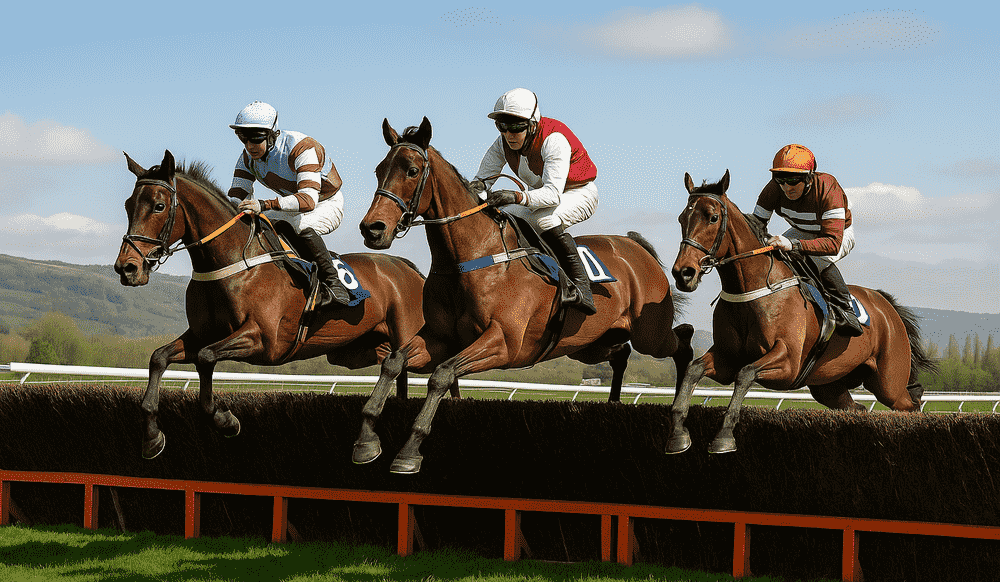
How I read the season from November to March
I’ve developed a personal system over the years to make sense of the long road to Cheltenham — not because I think I’m some kind of expert, but because without a structure the jumps season can feel like chaos disguised as logic. Clues appear, disappear, reappear, or turn out to be illusions entirely of my own creation. So this is how I read the season month by month, especially when identifying the trainers to follow for Cheltenham 2026.
November — the month of false impressions
November is dangerous for punters. This is when every easy winner becomes a potential Gold Cup horse, every flashy novice gets the “could be anything” label, and every disappointment gets blamed on ground, fitness, schooling, growth spurts, planetary alignment… you name it.
In November, I try to stick to two rules:
- Don’t fall in love with anything.
- Don’t write anything off.
Most horses are raw, fresh or enthusiastic to the point of being silly. The ones I take seriously are those who win on the bridle rather than by a big margin. A ten-length romp means nothing in November. A comfortable two-length win with ears pricked means everything.
December — the contenders start showing themselves
December is when the rhythm of the season begins to take shape.
Mullins starts rolling out better novices.
Elliott’s horses tighten up.
Nicholls sharpens his schooling.
Henderson gets organised.
This is when real clues appear:
- Clean jumping on bad ground
- Horses finding more up a hill
- Strong travellers in big fields
- Confident first runs from Grade 1 types
December doesn’t give final answers, but it gives patterns — and Cheltenham follows patterns.
January — the month where truth appears
January exposes everything.
The ground is dreadful.
Races are tougher.
Fitness becomes real.
Weaknesses become obvious.
Here’s what January reveals:
- Horses short of stamina
- Horses short of fluency
- Horses who need spring ground
- Horses who stay forever (hello, Albert Bartlett types)
If a horse runs well twice in January, I start paying close attention. If they run well three times, I start worrying they may be peaking too soon.
February — puzzles, traps, and misdirection
February is where trainers start playing games — intentionally or not. It’s also the month where punters get tricked most often.
Clues you’ll see:
- Trial winners who look unbeatable (and aren’t)
- Big names finishing second “nicely”
- Handicappers getting dropped to irresistible marks
- Second-season horses peaking at the Dublin Racing Festival
But beware the traps:
- Horses flattered by small fields
- Horses who peak in February, not March
- Horses who win but jump sloppily
My golden rule in February:
Focus on how they win, not how far they win.
March — the picture becomes clear enough
By March, you won’t have the full picture — Cheltenham rarely gives you that — but you’ll have enough.
These are the questions I ask:
- Is the trainer’s yard peaking at the right moment?
- Has the horse had a clean, confidence-building prep?
- Has it avoided bottomless ground in deep winter?
- Has the jumping improved since December?
- Is the horse fresh rather than overcooked?
Cheltenham rewards:
- Freshness
- Timing
- Confidence
- Class
- And above all: good jumping
March doesn’t care about hype or reputations. It cares about who turns up ready — physically and mentally.
This system isn’t perfect, but it keeps me sane and helps me understand not just who is good, but who is improving at the right time. And that’s everything when choosing trainers to follow for Cheltenham 2026.
Final thoughts
So that’s where I am right now on the road to Cheltenham 2026. I don’t pretend to have all the answers, but I do think certain trainers, patterns and early-season clues are already shaping the Festival picture. Mullins looks powerful as usual, Elliott is building momentum, Nicholls is tightening the screws in that familiar January-to-March rhythm, Henderson finally seems to have a healthier base again, and Skelton is quietly assembling another spring-focused squad. Add the smaller yards who always time their season perfectly, and we’ve got the ingredients for a fascinating Cheltenham Festival.
These are just my own notes — not a lecture, not a prediction carved in stone. Half the fun is comparing ideas, disagreeing politely and seeing which opinions age well and which collapse in spectacular fashion by February. That’s the beauty of the jumps season.
If you’ve got your own shortlist of trainers to follow for Cheltenham 2026, or if there’s a horse you think I’ve overlooked, feel free to drop a comment. I’ll be there, notebook in hand, ready to continue the conversation.



Leave a Reply